Seach my blog

Showing posts with label swindon. Show all posts

Thursday, 14 October 2021

Herbal medicine: an ancient "Functional Medicine"

An individualised approach: addressing the whole person 
Increasingly it is appreciated that to achieve long-term recovery and ongoing health, it is necessary to adopt a personalised approach, considering the whole person, rather than simply stopping symptoms of the disease. Suppressing symptoms masks the underlying problem, usually resulting in the symptoms recurring at a later date.

A thorough consultation
Herbalists have the benefit of time; a luxury which allows us to take a thorough case history. This process takes a minimum of an hour. 

Initially this involves an in-depth discussion regarding the person's current problem, possible causes, triggers, patterns of symptoms. This is then followed by extensive questioning of all other body systems, with associated examinations and/or tests if deemed necessary.

It is the thorough nature of this case history taking which allows us to tailor the approach we take to the individual concerned. As an example, two people with "eczema" are unlikely to be given the same herb combination, as one person may have food intolerances and headaches, and another have a history of joint problems.

Individualised herbs: combination of herbs is vital
Herbalists very rarely give single herbs. Before I trained, I laboured under the impression someone would take one herb to try to help one symptom, another for another, and so on. I frequently hear this in my practice - someone will have tried "a headache herb". 

The reason though herbalists ask about all other body systems, is to allow us to combine herbs appropriate for the individual concerned, and also to ensure the herbs selected will work well together, helping the absorption of each other, for example.

Traditional use combined with science
Herbs have been used safely by our forefathers for generations. This knowledge is passed down to each new generation of herbalists. We now have the added benefit of being able to combine this tried and tested traditional use with emerging science. Every year a new raft of scientific studies are conducted attempting to uncover the role of the individual constituents of the herbs.

 For further information visit my website www.lynblythe.com


Herbal medicine: Good health naturally


Wednesday, 3 February 2016

Free drop-in advice on health and herbal remedies

For anyone in Wiltshire:

Free drop-in advice on herbal remedies:

10am - 12 noon, Thursday 4th February, 2016, at Swindon Pulse Wholefoods (27 Curtis St). No booking required.

I’ll be there to offer free advice and guidance, and to give you the opportunity to ask any questions you may have regarding Herbal Medicine.

Saturday, 9 May 2015

High blood pressure (Hypertension)


What is hypertension?
Hypertension is a long-term elevation of the blood pressure (BP) in the arteries. Two readings are taken when the blood pressure is measured with a sphygmomanometer. The first when the heart is beating (the systolic pressure) and the second, lower, reading when the heart is relaxing between beats (diastolic pressure). A "textbook normal" resting BP reading would be 120/80 mmHg, although this varies with such factors as level of activity, anxiety, exercise, etc.

Dangers of hypertension
Ongoing raised BP significantly increases the risk of having a heart attack, developing heart disease and/or having a stroke. It can also lead to kidney damage, narrowing of other blood vessels, potentially leading to such problems as skin ulcers, impotence, amputation or aneurysm (where damaged blood vessels eventually tear). The list of possible health problems due to raised BP goes on and on as all blood vessels are affected.

Symptoms 
Usually none!

High BP tends to remain asymptomatic and is usually found during routine examination. Occasionally it may cause headache or vision problems. Eventually symptoms emerge as the blood vessels become damaged, for example, skin ulcers.

There is also a much rarer form of hypertension, malignant hypertension, where the BP is severely elevated, causing headache, kidney failure, fits and coma. This though is a medical emergency, not the usual ongoing, chronic, raised BP seen more commonly.

Causes of hypertension
Hypertension is divided into two types:

Essential hypertension - accounts for approximately 95% of cases, and merely means the cause is unknown!

Secondary hypertension - accounts for the other approximately 5% of cases, and means the raised BP is secondary to a known cause (see below):
  • Kidney disease
  • Endocrine disease (eg. hyperparathyroidism, Cushing's syndrome - including secondary to steroid treatment)
  • Pregnancy
  • Coarctation of the aorta (a narrowing of the aorta since birth)
  • Drugs (including medications), alcohol, toxins

Variations in BP
There are normal variations in everyone's BP. Not only does normal BP alter from minute to minute, but it also shows variation throughout every 24 hour period, with the lowest readings occurring during the night. However, in normal circumstances, these fluctuations occur within a relatively narrow range, and are carefully controlled.

More recently it has become recognised that larger, abnormal, variations in BP and also the maximum BP reached, are strong predictors of stroke and other vascular events, not just the average BP as previously thought.

Herbs
A vast number of herbs have a long tradition of use to address hypertension.

Herbalists rarely use herbs singly though. Instead, the herbs most suitable for each patient are selected and combined with additional herbs based on the rest of the medical history (including any medications) and the possible underlying causes of the circulatory problems, mindful of the fact that not all herbs are suitable for all people. This results in a prescription which is most appropriate and more effective for each individual. It is often the case that what not to include is as important as what to include in a prescription!

Hawthorn (Crataegus spp)
Hawthorn, a member of the rose family, has been used safely for heart and circulatory problems for many generations.The flowering tops (ie. flowers plus new leaves) are picked in the Spring, and the berries in the Autumn.

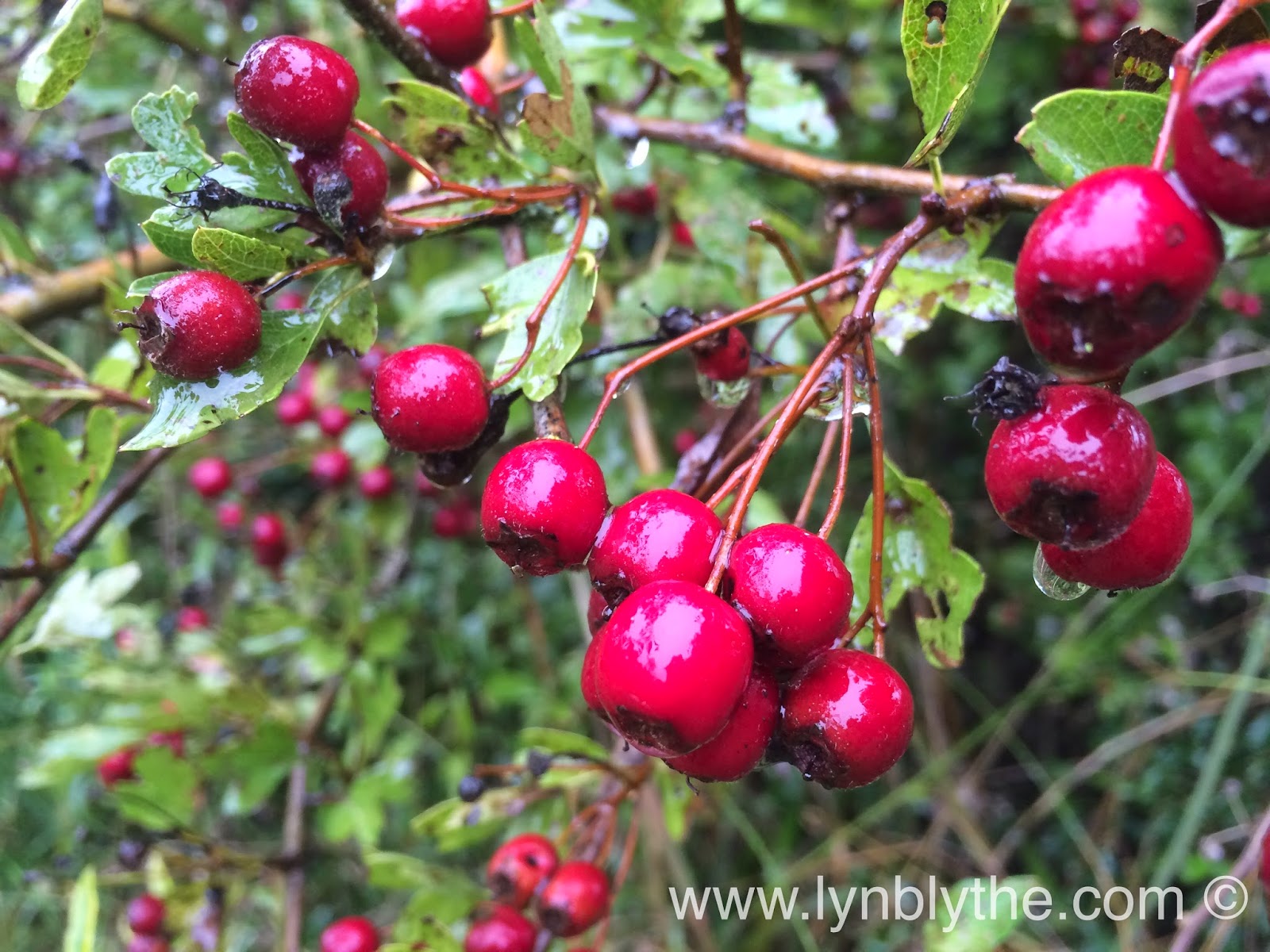
Hawthorn berries


Cramp bark (Viburnum opulus)
Cramp bark has been used for many years to relax "muscle tension", making it a useful herb for a variety of complaints. Such "antispasmodic" herbs are commonly included in prescriptions for people with hypertension.

Cramp bark


Lime (linden) flower (Tilia spp)
Lime flower is another herb commonly included in hypertension prescriptions. It also has an antispasmodic effect. In addition it is believed to make a useful contribution towards helping atherosclerosis (hardening of the arteries), when used in conjunction with other herbs and some dietary modifications. It is pleasant as a tea. Indeed the tea has a long-standing reputation as a calming drink to aid sleep.

Lime flower


Olive leaf (Olea europaea)
Most people are now familiar with the benefits of good quality olive oil to health, including its positive effects on the cardiovascular system. However, the leaves have also been used as a medicine throughout history. Again, antispasmodic, but they are also thought to have numerous other beneficial effects, such as helping normalise fluctuating blood sugar levels (NB. Not to be used as an alternative to insulin treatment in diabetics though!).

Olive leaf


There are many other herbs which may be selected and included, depending on the individual concerned. Others include herbs such as bilberry, motherwort, yarrow, periwinkle. Frequently, herbs to protect the kidneys will be included, as ongoing hypertension can be damaging to these vital organs.


References and further reading
Edwards, J.E., Brown, P.N., Talent, N., Dickinson, T.A., Shipley, P.R. (2012). A review of the chemistry of the genus Crataegus. Phytochemistry 79 5-26

Kaeidi, A., Mahani-Esmaeili, S., Sheibani, V., Abbasnejad, M., Rasoulian, B., Hajializadeh, Z., Afrazi, S. (2011). Olive (Olea europaea L.) leaf extract attentuates early diabetic neuropathic pain through prevention of high glucose-induced apoptosis: In vitro and in vivo studies. Journal of Ethnopharmacology 136 188-196

Kwok, C.Y., Wong, C.N.Y., Yau, M.Y.C., Yu, P.H.F., Au, A.L.S., Poon, C.C.W., Seto, W.S., Lam, T.Y., Kwan, Y.W., Chan, S.W. (2010). Consumption of dried fruit of Crataegus pinnatifida (hawthorn) suppresses high-cholesterol diet-induced hypercholesterolaemia in rats. Journal of Functional Foods 2 179-186

NHS Choices
http://www.nhs.uk/Conditions/Blood-pressure-%28high%29/Pages/Introduction.aspx

Patient.co.uk
http://www.patient.co.uk/doctor/hypertension

Patient.co.uk
http://www.patient.co.uk/health/high-blood-pressure-hypertension

Rothwell, P.M., Howard, S.C., Dolan, E., O'Brien, E., Dobson, J.E., Dahlof, B., Sever, P.S., Poulter, N.R. (2010). Prognostic significance of visit-to-visit variability, maximum systolic blood pressure, and episodic hypertension. Lancet  375: 895-905

Simon, C., Everitt, H. & Dorp, F. (2010). Oxford Handbook of General Practice, 3rd Ed. Oxford: Oxford University Press. P252-257

Susalit, E., Agus, N., Effendi, I., Tjandrawinata, R.R., Nofiarny, D., Perrinjaquet-Moccetti, T., Verbruggen, M. (2011). Olive (Olea europaea) leaf extract effective in patients with stage-1 hypertension: comparison with Captopril. Phytomedicine 18 251-258

Tuesday, 3 February 2015

Free drop-in advice on health and herbal remedies

For anyone in Wiltshire:

Free drop-in advice on herbal remedies:

10am - 12 noon, Thursday 5th February, 2015, at Swindon Pulse Wholefoods (27 Curtis St). No booking required.

I’ll be there to offer free advice and guidance, and to give you the opportunity to ask any questions you may have regarding Herbal Medicine.

See www.lynblythe.com for more information on Herbal Medicine.

Seasonal Affective Disorder (SAD)


What is it?
Seasonal Affective Disorder (SAD) has been described as “a recurrent disorder involving seasonal episodes of depression, usually in the winter months”. Occasionally though, the depression may be felt in the summer.

This is not a new problem. It has been written that even in 200 AD a link between sunlight and depression had been recognised, and it was recommended that "lethargics are to be laid in the light and exposed to the rays of the sun"!  

Most of us are affected to some extent by changes in season, for example, feeling brighter and more energetic on a sunny day. However, for people with SAD, these changes in mood as the seasons change are far more pronounced, and consequently have a significant impact on quality of life during these times. Indeed, some people with SAD report feeling unable to get out of bed in the morning when their mood is at its lowest ebb.

Who does it affect?
SAD is thought to affect approximately 2% of adults, and to affect women twice as commonly as men. SAD is more common in countries where there are significant changes to number of daylight hours, temperature and weather conditions between seasons.

Symptoms
Some or all of these may be experienced:

• Low mood, feelings of guilt
• Apathy
• Lethargy
• Poor concentration
• Anxiety, panic attacks
• Irritability
• Sleep problems – usually more sleep
• Overeating, often with cravings for chocolate and high-carbohydrate foods
• Alcohol or drug abuse
• Weight gain
• Possibly lowered immunity, with increased incidence of illness
• Relationship difficulties, inability to socialise

Symptoms usually begin in the autumn months as daylight reduces, and start to improve in the spring. December to February tends to be when symptoms are at their most severe.

Children
SAD is rare in childhood. However, when children are affected, it may present as irritability and sluggishness.

What Causes SAD?
The exact cause(s) are unclear. Women in their reproductive years are most at risk, as is the case for all forms of depression, suggesting a hormonal link. Obviously, reduced daylight is another causal factor. It is thought that this relative lack of sunlight affects levels of the brain chemicals serotonin and melatonin.

Serotonin
Serotonin, also known as 5-hydroxytryptamine, is a monoamine vasoconstrictor, derived from the amino acid, tryptophan from protein. It is found in high concentrations in many body tissues, including the wall of the intestine, pineal body, in the blood, and the central nervous system. It is involved in mediating numerous functions, such as reducing stomach acid secretion and serving as a neurotransmitter (messenger in the nervous system).

People with SAD have been found to have reduced serotonin levels, especially in the winter. Given the number of widespread roles of serotonin in the body, it is easy to see how low levels would potentially result in many symptoms.

Melatonin
Melatonin is a hormone produced from serotonin in the pineal gland in the brain. Melatonin secretion is high at night (which makes us sleep) and low during the day (hence, we wake). It is involved in the regulation of sleep, mood, puberty and ovarian cycles. Indeed, the pineal gland plays a major role in establishing circadian rhythms ("body clock"). Bright light inhibits melatonin secretion, hence it is often recommended that people with insomnia should not use computers or be in other brightly lit situations immediately before bed.

People with SAD have raised melatonin levels. Studies have found that when people with SAD increase their exposure to light, their melatonin levels fall to within normal range, yet continue to experience the symptoms of SAD. This suggests that raised melatonin is not the only causal factor involved in developing SAD.

Disrupted circadian rhythm ("body clock")
The body normally regulates functions such as digestion, sleep and energy levels throughout each 24 hour period. However, reduced sunlight can disrupt this regulation, leading to SAD symptoms such as depression.

Other possible causes or triggers of SAD
Other triggers which have been suggested include:

  • trauma or a major stressful event
  • serious illness
  • medication
  • withdrawal from drugs or alcohol
  • relocation from a region nearer the equator 

Self-help 
General self-help strategies:
  • Exercise helps all forms of depression. Walking is an excellent, safe, exercise for most people.
  • Time outdoors, especially around midday (or sitting by a bright window) increases daylight exposure, so helping symptoms. Limit use of sunglasses when experiencing SAD.
  • Try to be optimistic, reminding yourself that the depression will lift.
  • Tell others you have SAD, so they are likely to be more understanding.
  • Avoid stress as much as possible.
  • Improve diet. Attempt to avoid eating excess carbohydrates. 
NB. Spending time in a sunny location (eg. a holiday) whilst affected by SAD may reduce symptoms temporarily, but then lead to an exacerbation on returning home, since SAD is usually a reaction to changes in season. 

Light Therapy
Light boxes are growing in popularity as a therapy to reduce symptoms of SAD (see links below). They emit bright light, but without the harmful Ultra Violet Radiation (UVR). Light boxes are available in different strengths and sizes. They are generally more effective when used in the early morning, and for approximately half to two hours, but the most effective use varies between people, with the brightness of the day and with the box used. It is advisable to not use them before bed though, as this may cause insomnia (see melatonin above).

Dawn-stimulating alarm clocks, although less bright than light boxes, can be used to gradually increase light in the hour before waking. This can be especially useful if someone finds it difficult to wake up in the morning when affected by SAD.

Occasionally, light therapy may cause headaches or blurred vision.

TANNING SALONS ARE NOT A TREATMENT FOR SAD!
....even though it is sometimes said that they are!

Talking therapies
Talking therapies can be a useful adjunct. Cognitive Behaviour Therapy (CBT), which aims to change mood by altering thought patterns, may help. Counselling and psychotherapy are worth considering.

NHS therapists (see your GP to be referred) often have long waiting lists. If considering consulting a therapist privately, it is important to look for one who is properly qualified and registered. The British Association for Counselling and Psychotherapy (BACP) has a list of such accredited practitioners in each area (see links below).

Medications
Antidepressant medications are often prescribed. These do not cure SAD, but may reduce symptoms. The antidepressant drugs usually given are SSRIs (Selective Serotonin Reuptake Inhibitors), for example, paroxetine (Seroxat), Fluoxetine (Prozac), Sertraline (Lustral).

Herbs
St John's Wort (Hypericum perforatum)
Many people have reported finding St John's Wort beneficial.

NB. Herbalists use whole plant extracts of St John's Wort, rather than extracts which contain isolated constituents from the plant, as tends to be the case in over-the-counter preparations. This is because whole plant extracts are believed to be safer, having been used safely in this way for many generations. In contrast, the use of isolated constituents is relatively new, and has been associated with side-effects.

St John's Wort (Hypericum perforatum)

St John's Wort has many useful actions. However, its effect on improving mood is believed to be partly achieved by blocking the re-uptake of dopamine, serotonin, noradrenaline and Gamma AminoButyric Acid (GABA).

Although it was once considered that the active constituents in St John's Wort were hypericin and pseudohypericin, it is know known that hyperforin, chlorogenic acid, rutin and quercitin are also required - hence the benefit of herbalists using whole plant extracts which do not remove these other vital constituents! It is likely, as is the case for the majority of herbs, that St John's Wort exerts its action through the synergy of its constituents. It is often the case, for example, that many constituents are required for the main active constituents to be absorbed.  

*St John's Wort can be used in conjunction with light boxes, as the function of these boxes is to act via the eyes (not the skin) and they emit visible light, not UVR, as reported by the Skin Cancer Foundation (see above, and also the relevant link below). It is usually advised to use a light box with a UVR filter in order to ensure this is the case.

St John's Wort may not be suitable for everyone. If in doubt, check!
 
Other herbs which have been used to help mood:
A great many herbs have been used to help mood. A few are mentioned below. Herbalists rarely use herbs singly. Instead, a few herbs are combined, with the individual's case history in mind. A carefully balanced prescription of herbs will select those which work well together and are most suitable for that particular person.

Lemon Balm (Melissa officinalis)
Lemon balm has a long history of use as a herb to help banish "the blues". Indeed, the 17th Century herbalist, John Evelyn wrote "balm is sovereign for the brain, strengthening the memory, and powerfully chasing away melancholy". Lemon balm has numerous other applications, for example, it is also taken by people to help alleviate anxiety and/or digestive problems. Studies are emerging which appear to back up these traditional uses. Furthermore, there is mounting evidence for the use of lemon balm to address Alzheimer's disease.

Rosemary (Rosmarinus officinalis)
Many old herbal texts describe rosemary as a "thymoleptic", ie. to improve low mood. The old saying "rosemary is for remembrance" refers to the age-old use of rosemary for increasing blood flow to the brain, so potentially improving memory. Rosemary has numerous other uses, as is often the case with herbs. These uses are increasingly supported by modern research.

Lavender (Lavandula angustifolia)
Lavender is another plant with a long history of traditional use for easing low mood, anxiety, insomnia and for improving memory. It also has uses in the gastrointestinal tract. Its use as a medicine is not new, having been popular since the late Middle Ages. The herbalist John Parkinson (1640) described lavender as being of "good use for all griefs and pains of the head and brain". It probably goes without saying that this is a wonderfully aromatic plant, rich in volatile oils, which studies show have antioxidant and anti-inflammatory actions.


References, useful links and further reading
British Association for Counselling and Psychotherapy (BACP) www.bacp.co.uk
For a list of accredited practitioners in your area, for talking therapies.

Grieve, M. (1931). A Modern Herbal. Mineola: Dover Publications. P76-77

Living Life to the Full www.llttf.com
Free online CBT information, supported by the Scottish NHS

Lumie www.lumie.com
For information on light boxes (as recommended by MIND)

MIND for mental health www.mind.org.uk 
Understanding Seasonal Affective Disorder (2013) – Fact sheet/PDF [online]. Available from: NHS Choices http://www.nhs.uk/conditions/Seasonal-affective-disorder/Pages/Introduction.aspx [Accessed15th January, 2015]

Partonen, T. & Magnusson, A. (2001). Seasonal Affective Disorder: Practice and Research. Oxford University Press. 

Persaud, R. (2007). The Mind. A User's Guide. London: Bantam Press. P205-211

Rang, H.P., Dale, M.M., Ritter, J.M., Flower, R.J. (2007). Rang and Dale's Pharmacology, 6th Ed. Philadelphia: Churchill Livingstone. P189-197 

Rosenthal, N.E. (2005). Winter Blues: Everything You Need to Know to Beat Seasonal Affective Disorder. New York: Guilford Press.

Seasonal Affective Disorder Association (SADA) www.sada.org.uk 
For information and support

Seasonal Affective Disorder shop www.sad-lighthire.co.uk 
Information line: 01704 500 505
For information on light boxes and SAD (as recommended by MIND)

Simon, C., Everitt, H. & Dorp, F. (2010). Oxford Handbook of General Practice, 3rd Ed. Oxford: Oxford University Press. P1001

Skin Cancer Foundation
For information on how tanning salons are NOT a treatment for SAD!
http://www.skincancer.org/prevention/tanning/seasonal-affective-disorder
[Accessed15th January, 2015]

Monday, 27 October 2014

"Flu jab" .... to vaccinate or not?

The British Medical Journal (BMJ), one of the world's leading general medical journals, recently published an article which questioned the promotion and increased use of influenza vaccines today.

The BMJ article cites and questions a study published in the New England Journal of Medicine which had reported a 48% reduction in risk of death following the vaccine - this was criticised for being an apparently impossible statistic when "influenza is estimated to only cause around 5% of all wintertime deaths". Furthermore, the controversy continues over whether the vaccine significantly reduces the chances of someone contracting the illness at all, or reduces their chances of developing complications from influenza (Nichol, 2007; Simonsen, 2005; Simonsen, 2007; Doshi, 2013).

So, should you decide against the "flu jab", are there alternatives?

Food!
Trying to stay healthy whilst eating a poor diet is like trying to run your car on water!

However, this also necessitates good digestion, as we can only use what we can digest and absorb. Indeed, it is impossible to overstate the importance of resolving any digestion issues. So, counterintuitively perhaps, for any one with digestive symptoms, the first step in preventing a respiratory (or any other) infection, would be to address the cause of the digestion problems.   

Herbs
Herbs and herbal medicines may be thought of as an extension of diet, since they are plant-based. A major advantage of this is that they are readily bioavailable as they are recognised by the body as foods, unlike most vitamin and mineral supplements.


There is much available information documenting the difficulty in accurately predicting which strain(s) of the 'flu virus will be prevalent the following season in order to design a vaccine to match (and controversy over whether/how effective the vaccine is, even when matched). However, another advantage of using herbs (and diet) to combat potential infections, such as influenza viruses, is that herbs are made up of vast numbers of antimicrobial constituents, including antiviral and immune supporting, as well as constituents which aid the digestion and absorption of these active constituents. Added benefits are that these protect against all pathogens (viruses, bacteria, and others) in the environment - not just one strain of 'flu virus! Furthermore, the pathogens are, as yet, unable to develop resistance to these natural substances due to the vast numbers of constituents working together to produce the effect.

Which herbs?
There are too many antiviral and immune supporting herbs to list!
However, not all herbs are safe for all people.

It is generally accepted amongst herbalists that a combination of a smaller dose of a few herbs, specifically selected for an individual, with their medical history in mind (for example, existing respiratory or immune conditions), has a greater effect that a larger dose of one. In addition, this allows herbs to be added which will enhance the absorption of the others. Different herbs will also be selected for prevention as opposed to if someone is already fighting infection. Another important consideration is when, and for whom, a tincture (medicine), syrup, capsules, tea, etc, will be more effective.


Echinacea spp


Whilst echinacea is probably the herb that springs
to most people's minds, it is far from the only tool
in the herbalist's antiviral armoury!


Others with supporting research (and generations of traditional use) include elderberry, liquorice, ginger, Chinese skullcap, garlic, andrographis, rhodiola, boneset..... and many more, either as main antiviral "players", or as important adjuvants!


Pressing elderberry tincture (medicine) - a very messy task!


If you want to read more:

Doshi, P. (2013). Influenza: marketing vaccine by marketing disease. BMJ 346: 3037

Nichol, K.L., Nordin, J.D., Nelson, D.B., Mullooly, J.P., Hak, E. (2007). Effectiveness of influenza vaccine in the community-dwelling elderly. New England Journal of Medicine 357: 1373-1381

Simonsen, L., Reichert, T.A., Viboud, C., Blackwelder, W.C., Taylor, R.J., Miller, M.A. (2005). Influence of influenza vaccine on seasonal mortality in the US elderly population. Archives Internal medicine 165: 265-272

Simonsen, L.,Viboud, C., Taylor, R.J. (2007). Effectiveness of influenza vaccine. New England Journal of Medicine 357: 2729-2731

Sunday, 5 October 2014

Hawthorn, a herb for heart health

The value of hawthorn (Crataegus spp) to a herbalist cannot be overstated! Luckily, it is a frequent find in the UK hedgerows.

Hawthorn berries (Crataegus spp)


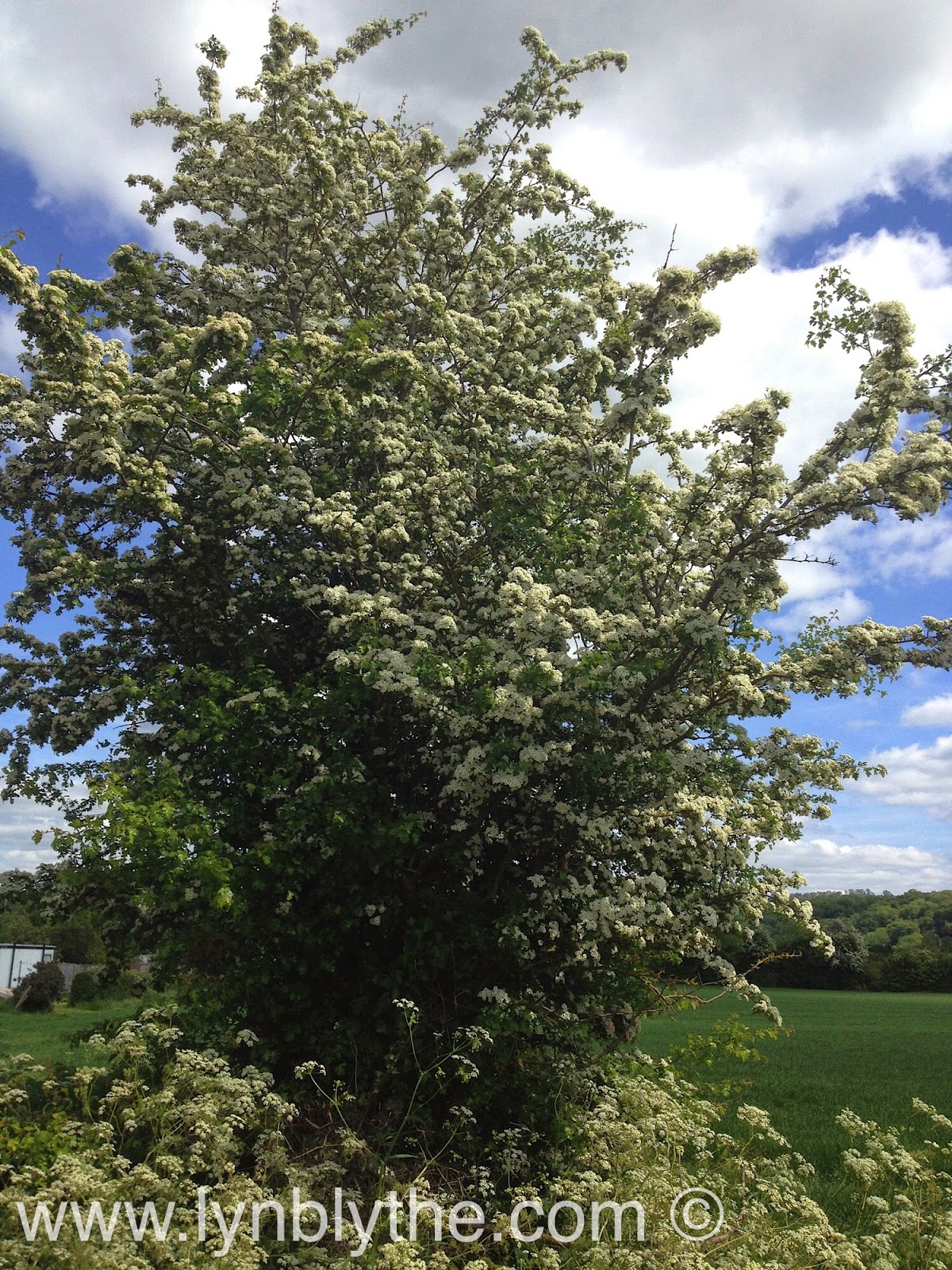
Hawthorn (Crataegus spp)


Flowering tops are picked in the Spring, and the ripe berries collected in the Autumn. These are used to make tinctures (medicines), or dried for teas (infusions) and capsules.

Whilst most herbs tend to have numerous widespread actions, hawthorn is almost exclusively a herb used for the heart and circulatory system by modern day herbalists, and hawthorn is regarded as one of the safest herbs in our dispensary.


The actions of hawthorn have been used to help people with conditions such as angina, mild to moderate heart failure, either high or low blood pressure (depending on which other herbs are combined with the hawthorn in the prescription), Raynaud's Syndrome, atherosclerosis, some menopausal symptoms, chilblains, varicose veins and many other cardiovascular complaints. The precise effect of a prescription will, of course, depend upon which other herbs the hawthorn is combined with. 

A vast array of studies support such clinical uses of hawthorn. For example, the European Journal of Heart Failure reported Crataegus to be beneficial in treatment of heart disease due to induction of cAMP-independent positive inotropy, peripheral and coronary vasodilation, protection against arrhythmias, having antioxidant properties and anti-inflammatory effects (see below for more).   

Although a gentle herb, anyone with an existing health condition, or currently taking medication, should seek advice before using any herbs.


Hawthorn and lime blossom tea

Editorial (2008). Towards a systematic approach in the assessment of efficacy of an herbal preparation: Hawthorn (Crataegus spp.). European Journal of Heart Failure 10: 1153-1157

Krzeminshi, T., Chatterjee, S.S. (1993). Ischaemia and early reperfusion induced arrhythmias: beneficial effects of an extract of Crataegus oxyacantha. L Pharm Pharmacol Lett 3: 45-48


Thursday, 20 June 2013

Scientists discover a cellular mechanism to help explain cancer metastasis.

A mechanism that causes cancer cells to metastasize has been described as a “chase and run” between healthy cells and cancer cells. As healthy cells try to evade the cancer cells, they emit a chemical attractant that causes the malignant cells to follow them, thus spreading the cancer. The researchers hope this information can be used in the future to find a new way to treat metastasis.

For more, read UCL news here ...  

http://www.ucl.ac.uk/news/news-articles/0613/130517-chase-and-run-cell-movement-explains-metastasis

Saturday, 15 June 2013

Herbal Medicine - a prescription tailored to your individual health.

A consultation with an Herbalist lasts at least an hour. During that time there will be a long discussion about the symptoms and ailment bothering you. The consultation then moves on to all other aspects of your health. This allows the Herbalist to gain a wealth of information about your current health, and also your past medical history  - all vital to the success of the prescription.

The herbalist aims to identify and address the cause of symptoms, rather than suppress them, as symptoms are warning signs to indicate a health problem.

A prescription of herbs is tailored to each individual, so two people with the same condition are unlikely to be given the same combination of herbs. Often there are many herbs which may address the problem concerned. The herbalist is trained to select the most appropriate for each individual, and to combine this with other herbs to support the effect.

As a consequence of the detailed consultation, the herbalist is often able to select herbs in a way which allows several health issues to be addressed at the same time.

An example of this is provided by considering a scenario of two people complaining of eczema. One person may have symptoms triggered by stress, but a medical history of raised blood pressure and poor sleep. The second person may have eczema triggered by a food intolerance, with a history of frequent headaches and digestive symptoms. Prescriptions for both are likely to have some similarities, but the combinations of herbs for each will also include important differences, allowing the specific underlying health issues of each individual to be addressed.

For more details on Herbal Medicine, visit www.lynblythe.com

Tinctures (medicines) in the dispensary

Sunday, 24 March 2013

Hayfever (seasonal allergic rhinitis)

Now is the time to be thinking about hayfever - ie. before your symptoms kick in.

Symptoms occur following inhalation of airborne particles, such as grass pollen. Hayfever may be accompanied by asthma. Minimising exposure to known allergens may reduce symptoms. Sometimes, however, it is difficult to identify the allergen concerned, or it may be difficult to reduce exposure to it.

Can herbs help?

There are a great many reports of hayfever responding well to Herbal Medicine. However, each person is an individual, with their own unique medical history, so their hayfever must be addressed accordingly.

The Medical Herbalist's approach to hayfever: herb combining for the individual.

The first visit involves a discussion of the person's entire medical history, including their hayfever. This information allows a combination of herbs to be selected and tailored to the individual. The combination which works for one person, may not be appropriate for another.

For more details see http://www.lynblythe.com/why_visit_herbalist.php

There are many herbs which have been used traditionally for allergy such as hayfever. There is an increasing volume of scientific research focusing on uncovering some of the actions of these herbs.

The final prescription will include herbs with actions appropriate for the individual's hayfever symptoms, such as anticatarrhal, anti-inflammatory, expectorant, with simultaneous consideration of other health complaints, such as a tendency to cystitis or poor sleep. It is for this reason it is often stated that in addressing one complaint, other complaints are often helped too. This is also the reason why a combination of herbs is used - as one herb will not provide all required actions.

Nettle (Urtica dioca) is possibly the herb most commonly read about in hayfever self-help articles.

Nettle (Urtica dioica)

However, there are a great many more which are considered to be equally as useful. Golden rod (Solidago virgaurea) may be included in a hayfever prescription. This would be especially indicated for someone who also suffers from frequent urinary tract infections as it has a history of use for this complaint too (in conjunction with other urinary herbs). Eyebright (Euphrasia officinalis) is another example of a herb which has been used in hayfever, especially, although not exclusively, if the eyes are badly affected. In fact, its combination of astringent and anti-inflammatory constituents makes it a valuable addition to prescriptions for many conditions requiring mucous membrane repair, for example, sinusitis. Elderflowers (Sambucus nigra) also have a history of use by people with the catarrh accompanying hayfever. Unfortunately the sugary bottled cordial often found on supermarket shelves is not a substitute for the "real thing" found in the hedgerows!


Elderflowers (Sambucus nigra flos)


Depending on the specific symptoms and the medical history of the individual presenting, other more expectorant, and possibly antimicrobial, herbs may be added, in addition to herbs to support the immune system as part of a preventative strategy.

If symptoms are very severe, the herbalist may consider using a stronger remedy, such as Poke root (Phytolacca decandra) or Ephedra (Ephedra sinica). Research is uncovering which constituents in Ephedra might be responsible for it's reported bronchodilating and anticatarrhal effects.

For more details on Herbal Medicine, visit www.lynblythe.com


"Drugs tend to destroy tissue and do not cure; herbs strengthen tissue and do cure" (Mrs C.F. Leyel)!

An interesting quotation, taken from Mrs C.F. Leyel, founder the Society of Herbalists (now called the Herb Society) and Fellow of the Royal Institution of Great Britain.

Green Medicine by Mrs C.F. Leyel (1952)


Although this quotation was published in "Green Medicine", written in 1952, most modern day herbalists would agree that herbs provide a plentiful supply of bioavailable vitamins and minerals, so facilitating tissue repair.

Nettle (Urtica dioica) is an example of this, being rich in many vitamins and minerals, including iron. However, it is also rich in vitamin C, which improves the absorption of the iron. The stomach upsets which can accompany iron tablets are much less likely with the iron in plants.

Similarly, dandelion (Taraxacum officinale) has a history of use as a diuretic. Whereas pharmaceutical diuretics (water tablets) can deplete the body of essential potassium, dandelion leaves are rich in potassium, so this potential problem is unlikely.

Tuesday, 18 September 2012

Free health chats

For anyone in Wiltshire:

I will be offering free health chats and advice at Swindon Pulse Wholefoods (27 Curtis St) on Thursday 4th October, 2012. No booking required - just drop in between 10am - 12 noon (see also www.lynblythe.com)

Herbal remedy for digestive disorder (Daily Telegraph, 2012)

"Nikki Page finds her life is transformed when she discovers a cure for her chronic digestive disorder".

 http://www.telegraph.co.uk/health/wellbeing/7930256/Herbal-remedy-for-digestive-disorder.html

Thursday, 13 September 2012

Arthritis and Boswellia

An extract of Boswellia (Boswellia serrata) has been reported to significantly reduce pain and improve function in patients with osteoarthritis of the knee.

It was concluded that the extract may have achieved this effect by reducing inflammatory modulators or by reducing degradation of cartilage in the joint.

Read more:  http://www.ncbi.nlm.nih.gov/pubmed/18667054

Herbalists prescribe Boswellia to people with many other conditions too, such as ulcerative colitis. Generally a prescription will consist of several herbs, tailored to each individual.


Boswellia serrata


Boswellia serrata resin


Thursday, 6 September 2012

More About Herbal Medicine


Herbal medicine is made from plants (for example, Echinacea and St. John’s Wort), and has been used for thousands of years. Medical Herbalists are trained to combine the benefits of this traditional use with information emerging from modern scientific research.
Medical Herbalists see people with most conditions treated by GPs
These conditions range from short-term or mild problems, to more long-term and complex.

Examples include:

• Heart and circulation problems– high blood pressure, high cholesterol, varicose veins, angina, poor memory
• Respiratory problems – asthma, hayfever, sinusitis, ear infections, bronchitis, coughs, colds
• Digestion problems – IBS, colitis, ulcers, constipation, reflux, bloating, food intolerance
• Nervous system problems – poor sleep, headaches, anxiety, depression, stress, multiple sclerosis, Parkinson’s disease
• Women’s health – PMS, period pains, cystitis, infertility, endometriosis, PCOS, menopausal symptoms, fibroids, irregular periods
• Men’s health – prostate problems, infertility
• Musculoskeletal problems – arthritis, gout
• Skin problems – eczema, psoriasis, acne
• Immune system problems –fatigue, allergies


Why use herbs

A benefit of herbs is that they are generally well-tolerated and safe, with a gentle action, yet can be amazingly effective.

Research is increasingly uncovering the way herbs achieve their effects.

The herbalist aims to identify and address the cause of symptoms, rather than suppress them, as symptoms are warning signs to indicate a health problem.

A prescription of herbs is tailored to each individual, so two people with the same condition are unlikely to be given the same combination of herbs. Often there are many herbs which may address the problem. The herbalist is trained to select the most appropriate for each individual, and to combine this with other herbs to support the effect.

The herbalist is often able to select herbs in a way which allows several health issues to be addressed at the same time.

Herbs are often easily accessible –including many of the “weeds” just outside your own home!

About Lyn

I am a member of the National Institute of Medical Herbalists (NIMH) and the College of Practitioners of Phytotherapy (CPP)

I have over 30 years experience of working in healthcare with patients, both in the NHS and in the private sector, spanning most areas of health and illness.

I regularly attend professional lectures, workshops and seminars to continue to build on my skills, and to keep up to date with research.

I have a First Class BSc (Hons) degree in Herbal Medicine. I was awarded the Arthur Barker prize for best Final Clinical Examination. I am a member of the National Institute of Medical Herbalists (NIMH).

I also have a First Class BSc (Hons) degree in Physiotherapy. I practise as a physiotherapist, am a member of the Chartered Society of Physiotherapists (CSP) and I am registered with the Health Professions Council (HPC).

I have a BSc (Hons) degree in Physiology with Biochemistry.

About Herbal Medicine

Medical Herbalists use plant medicines to address a wide range of illnesses, including long-term complaints. These herbal medicines can be used safely in all age groups, and are often used alongside medication from the GP.

There are times when orthodox medications or surgery are essential. However, at other times, there is often another way. By careful consideration of the cause of symptoms and illness, it is frequently possible to improve health. The use of herbs, many of which have been part of our diet for generations, offers a well-tolerated and safe alternative or addition to more modern treatment strategies.