What is hypertension?
Hypertension is a long-term elevation of the blood pressure (BP) in the arteries. Two readings are taken when the blood pressure is measured with a sphygmomanometer. The first when the heart is beating (the systolic pressure) and the second, lower, reading when the heart is relaxing between beats (diastolic pressure). A "textbook normal" resting BP reading would be 120/80 mmHg, although this varies with such factors as level of activity, anxiety, exercise, etc.
Dangers of hypertension
Ongoing raised BP significantly increases the risk of having a heart attack, developing heart disease and/or having a stroke. It can also lead to kidney damage, narrowing of other blood vessels, potentially leading to such problems as skin ulcers, impotence, amputation or aneurysm (where damaged blood vessels eventually tear). The list of possible health problems due to raised BP goes on and on as all blood vessels are affected.
Symptoms
Usually none!
High BP tends to remain asymptomatic and is usually found during routine examination. Occasionally it may cause headache or vision problems. Eventually symptoms emerge as the blood vessels become damaged, for example, skin ulcers.
There is also a much rarer form of hypertension, malignant hypertension, where the BP is severely elevated, causing headache, kidney failure, fits and coma. This though is a medical emergency, not the usual ongoing, chronic, raised BP seen more commonly.
Causes of hypertension
Hypertension is divided into two types:
Essential hypertension - accounts for approximately 95% of cases, and merely means the cause is unknown!
Secondary hypertension - accounts for the other approximately 5% of cases, and means the raised BP is secondary to a known cause (see below):
- Kidney disease
- Endocrine disease (eg. hyperparathyroidism, Cushing's syndrome - including secondary to steroid treatment)
- Pregnancy
- Coarctation of the aorta (a narrowing of the aorta since birth)
- Drugs (including medications), alcohol, toxins
Variations in BP
There are normal variations in everyone's BP. Not only does normal BP alter from minute to minute, but it also shows variation throughout every 24 hour period, with the lowest readings occurring during the night. However, in normal circumstances, these fluctuations occur within a relatively narrow range, and are carefully controlled.
More recently it has become recognised that larger, abnormal, variations in BP and also the maximum BP reached, are strong predictors of stroke and other vascular events, not just the average BP as previously thought.
Herbs
A vast number of herbs have a long tradition of use to address hypertension.
Herbalists rarely use herbs singly though. Instead, the herbs most suitable for each patient are selected and combined with additional herbs based on the rest of the medical history (including any medications) and the possible underlying causes of the circulatory problems, mindful of the fact that not all herbs are suitable for all people. This results in a prescription which is most appropriate and more effective for each individual. It is often the case that what not to include is as important as what to include in a prescription!
Hawthorn (Crataegus spp)
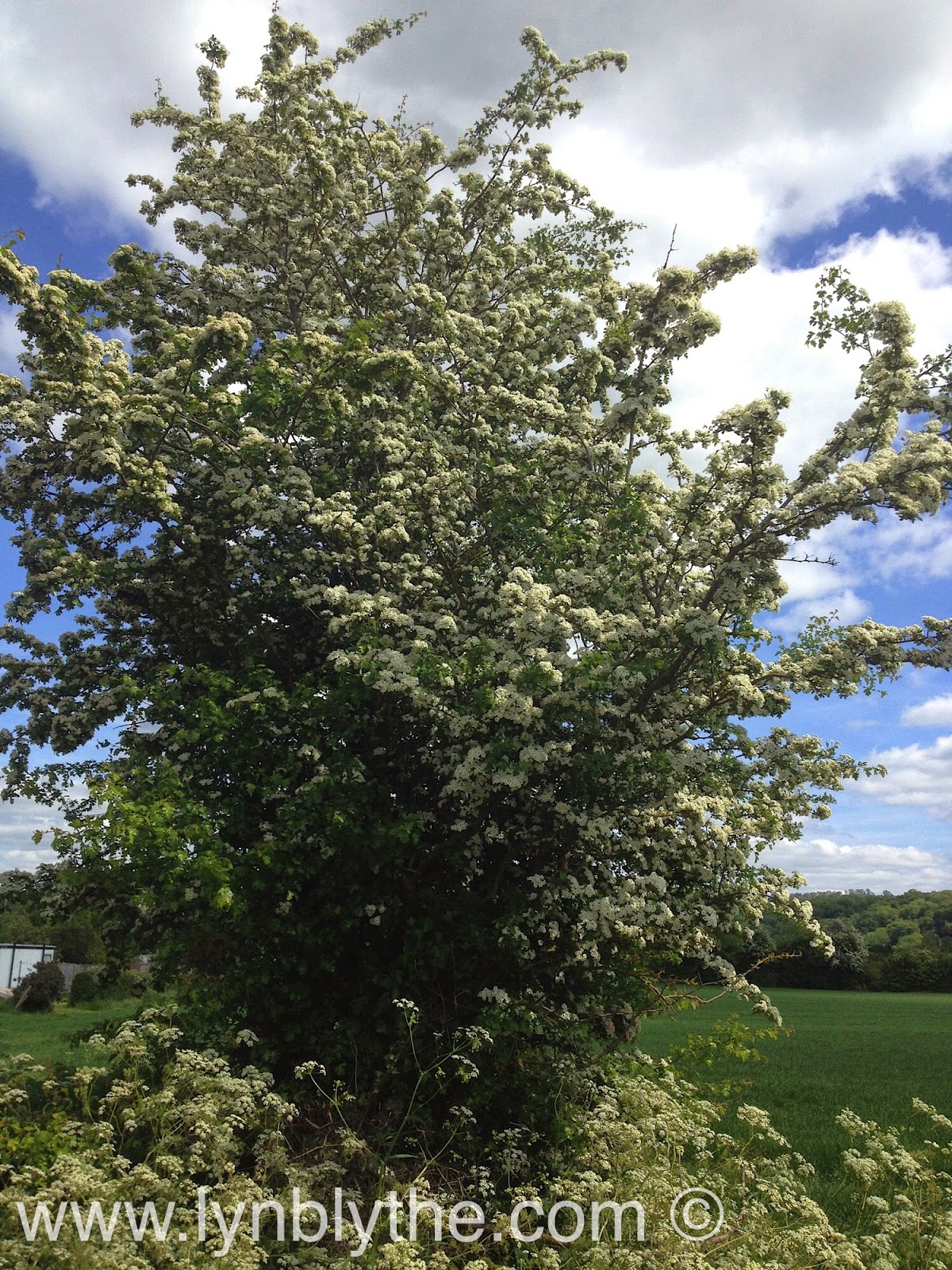
Hawthorn, a member of the rose family, has been used safely for heart and circulatory problems for many generations.The flowering tops (ie. flowers plus new leaves) are picked in the Spring, and the berries in the Autumn.
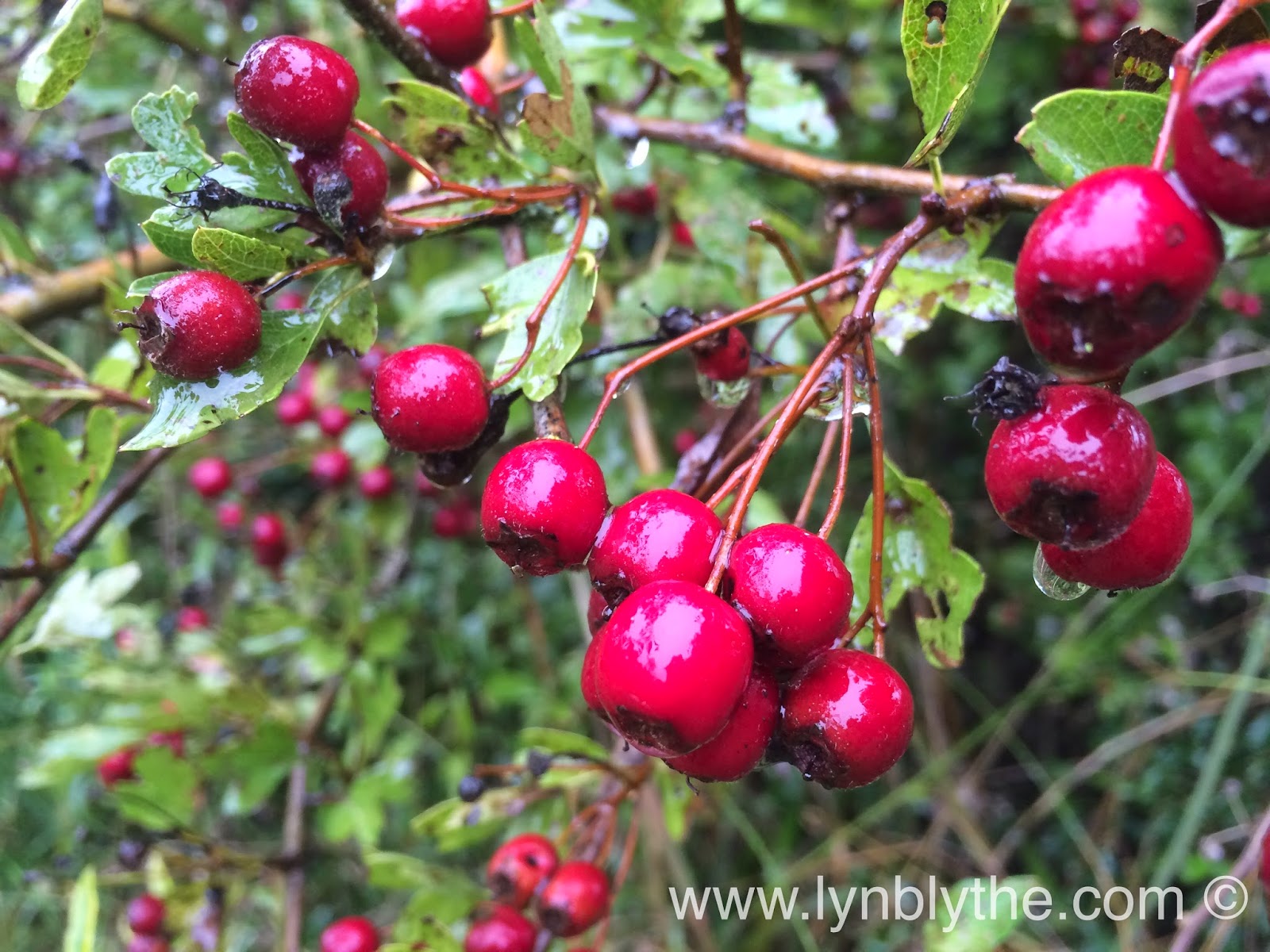 | |
| Hawthorn berries |
Cramp bark (Viburnum opulus)
Cramp bark has been used for many years to relax "muscle tension", making it a useful herb for a variety of complaints. Such "antispasmodic" herbs are commonly included in prescriptions for people with hypertension.
 | |
| Cramp bark |
Lime (linden) flower (Tilia spp)
Lime flower is another herb commonly included in hypertension prescriptions. It also has an antispasmodic effect. In addition it is believed to make a useful contribution towards helping atherosclerosis (hardening of the arteries), when used in conjunction with other herbs and some dietary modifications. It is pleasant as a tea. Indeed the tea has a long-standing reputation as a calming drink to aid sleep.
 | |
| Lime flower |
Olive leaf (Olea europaea)
Most people are now familiar with the benefits of good quality olive oil to health, including its positive effects on the cardiovascular system. However, the leaves have also been used as a medicine throughout history. Again, antispasmodic, but they are also thought to have numerous other beneficial effects, such as helping normalise fluctuating blood sugar levels (NB. Not to be used as an alternative to insulin treatment in diabetics though!).
 | |
| Olive leaf |
There are many other herbs which may be selected and included, depending on the individual concerned. Others include herbs such as bilberry, motherwort, yarrow, periwinkle. Frequently, herbs to protect the kidneys will be included, as ongoing hypertension can be damaging to these vital organs.
References and further reading
Edwards, J.E., Brown, P.N., Talent, N., Dickinson, T.A., Shipley, P.R. (2012). A review of the chemistry of the genus Crataegus. Phytochemistry 79 5-26
Kaeidi, A., Mahani-Esmaeili, S., Sheibani, V., Abbasnejad, M., Rasoulian, B., Hajializadeh, Z., Afrazi, S. (2011). Olive (Olea europaea L.) leaf extract attentuates early diabetic neuropathic pain through prevention of high glucose-induced apoptosis: In vitro and in vivo studies. Journal of Ethnopharmacology 136 188-196
Kwok, C.Y., Wong, C.N.Y., Yau, M.Y.C., Yu, P.H.F., Au, A.L.S., Poon, C.C.W., Seto, W.S., Lam, T.Y., Kwan, Y.W., Chan, S.W. (2010). Consumption of dried fruit of Crataegus pinnatifida (hawthorn) suppresses high-cholesterol diet-induced hypercholesterolaemia in rats. Journal of Functional Foods 2 179-186
NHS Choices
http://www.nhs.uk/Conditions/Blood-pressure-%28high%29/Pages/Introduction.aspx
Patient.co.uk
http://www.patient.co.uk/doctor/hypertension
Patient.co.uk
http://www.patient.co.uk/health/high-blood-pressure-hypertension
Rothwell, P.M., Howard, S.C., Dolan, E., O'Brien, E., Dobson, J.E., Dahlof, B., Sever, P.S., Poulter, N.R. (2010). Prognostic significance of visit-to-visit variability, maximum systolic blood pressure, and episodic hypertension. Lancet 375: 895-905
Simon, C., Everitt, H. & Dorp, F. (2010). Oxford Handbook of General Practice, 3rd Ed. Oxford: Oxford University Press. P252-257
Susalit, E., Agus, N., Effendi, I., Tjandrawinata, R.R., Nofiarny, D., Perrinjaquet-Moccetti, T., Verbruggen, M. (2011). Olive (Olea europaea) leaf extract effective in patients with stage-1 hypertension: comparison with Captopril. Phytomedicine 18 251-258