Seach my blog

Showing posts with label varicose veins. Show all posts

Monday, 20 October 2014

"Conkers"....and what to do with them!

I remember the excitement as a child as I waited for my Dad to drill a hole in the biggest conkers we'd found, and thread them on strings for me to take into battle in the school playground the following day!


How times have changed! That's a million miles away from what I do with them now......


Medicine making (tinctures macerating) L to R: Horsechestnut, Ginkgo, Marigold, Elderberry, Hops


Conkers (the seeds of the horsechestnut tree, Aesculus hippocastanum) are rich in saponins, flavonoids and tannins. Saponins are able to bind to both water-soluble and also fat-soluble molecules, a property which enables them to act as emulsifiers in herbal medicines, so allowing the oily constituents to better dissolve in the medicine.

Saponin rich herbs are not for everyone though! Large doses can be irritant to the digestive tract, so dosage is important, and they may be unsuitable for some people.

Herbalists use Aesculus hippocastanum to strengthen the walls of blood vessels, although other herbs appropriate for the person will also need to be added to the combination to help achieve the effect. Old herbal books refer to this action as a "venous tonic", used for varicose veins, haemorrhoids, oedema, sprains and bruises, to name just a few.


A simple ointment (or a more complicated cream!) can be made by infusing the conkers (broken up first) into good quality organic oil for a number of hours, then solidifying with beeswax (or similar).

Sunday, 5 October 2014

Hawthorn, a herb for heart health

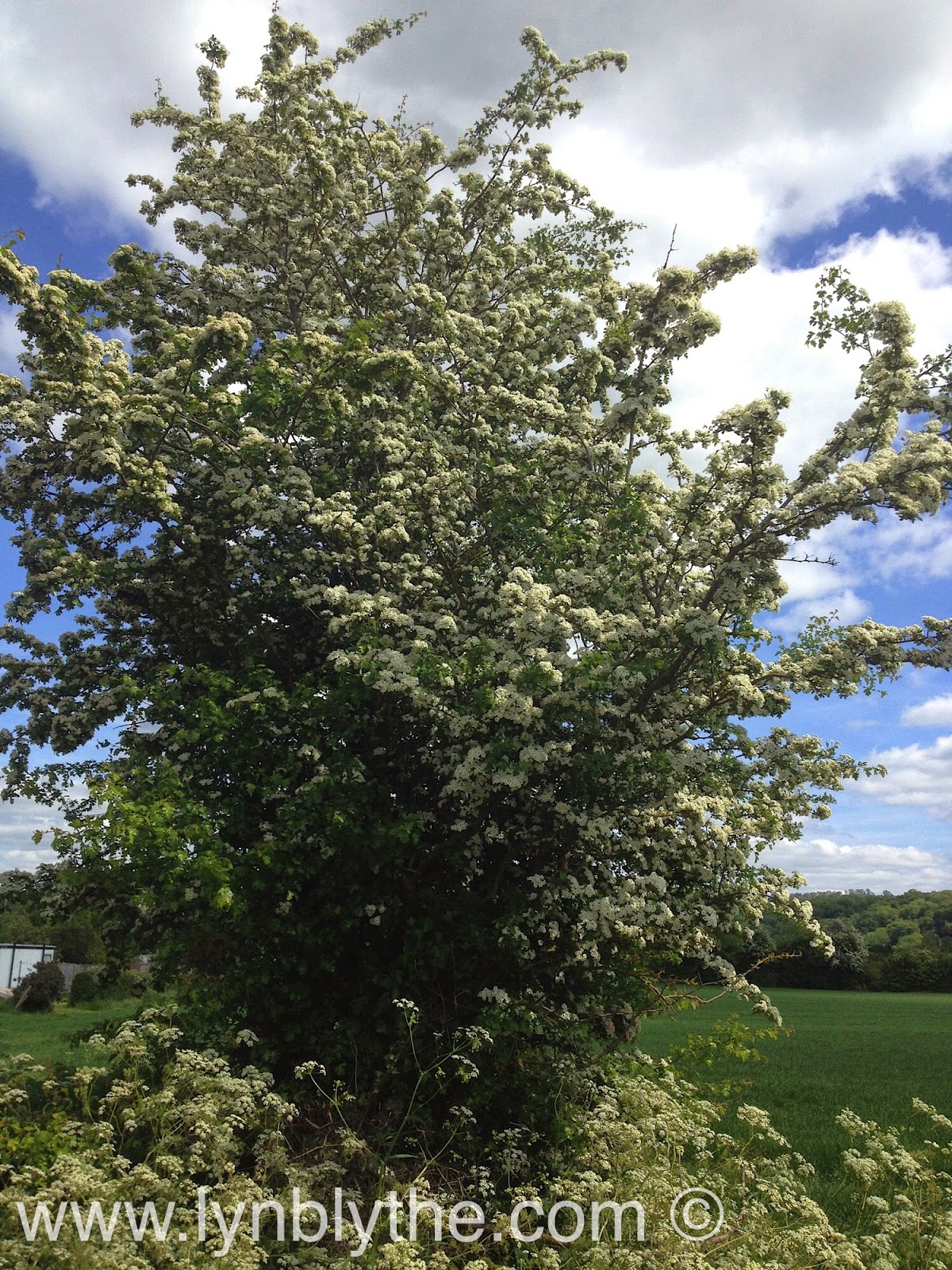
The value of hawthorn (Crataegus spp) to a herbalist cannot be overstated! Luckily, it is a frequent find in the UK hedgerows.

Hawthorn berries (Crataegus spp)


Hawthorn (Crataegus spp)


Flowering tops are picked in the Spring, and the ripe berries collected in the Autumn. These are used to make tinctures (medicines), or dried for teas (infusions) and capsules.

Whilst most herbs tend to have numerous widespread actions, hawthorn is almost exclusively a herb used for the heart and circulatory system by modern day herbalists, and hawthorn is regarded as one of the safest herbs in our dispensary.


The actions of hawthorn have been used to help people with conditions such as angina, mild to moderate heart failure, either high or low blood pressure (depending on which other herbs are combined with the hawthorn in the prescription), Raynaud's Syndrome, atherosclerosis, some menopausal symptoms, chilblains, varicose veins and many other cardiovascular complaints. The precise effect of a prescription will, of course, depend upon which other herbs the hawthorn is combined with. 

A vast array of studies support such clinical uses of hawthorn. For example, the European Journal of Heart Failure reported Crataegus to be beneficial in treatment of heart disease due to induction of cAMP-independent positive inotropy, peripheral and coronary vasodilation, protection against arrhythmias, having antioxidant properties and anti-inflammatory effects (see below for more).   

Although a gentle herb, anyone with an existing health condition, or currently taking medication, should seek advice before using any herbs.


Hawthorn and lime blossom tea

Editorial (2008). Towards a systematic approach in the assessment of efficacy of an herbal preparation: Hawthorn (Crataegus spp.). European Journal of Heart Failure 10: 1153-1157

Krzeminshi, T., Chatterjee, S.S. (1993). Ischaemia and early reperfusion induced arrhythmias: beneficial effects of an extract of Crataegus oxyacantha. L Pharm Pharmacol Lett 3: 45-48