Seach my blog

Showing posts with label herbalist. Show all posts

Saturday, 9 May 2015

High blood pressure (Hypertension)


What is hypertension?
Hypertension is a long-term elevation of the blood pressure (BP) in the arteries. Two readings are taken when the blood pressure is measured with a sphygmomanometer. The first when the heart is beating (the systolic pressure) and the second, lower, reading when the heart is relaxing between beats (diastolic pressure). A "textbook normal" resting BP reading would be 120/80 mmHg, although this varies with such factors as level of activity, anxiety, exercise, etc.

Dangers of hypertension
Ongoing raised BP significantly increases the risk of having a heart attack, developing heart disease and/or having a stroke. It can also lead to kidney damage, narrowing of other blood vessels, potentially leading to such problems as skin ulcers, impotence, amputation or aneurysm (where damaged blood vessels eventually tear). The list of possible health problems due to raised BP goes on and on as all blood vessels are affected.

Symptoms 
Usually none!

High BP tends to remain asymptomatic and is usually found during routine examination. Occasionally it may cause headache or vision problems. Eventually symptoms emerge as the blood vessels become damaged, for example, skin ulcers.

There is also a much rarer form of hypertension, malignant hypertension, where the BP is severely elevated, causing headache, kidney failure, fits and coma. This though is a medical emergency, not the usual ongoing, chronic, raised BP seen more commonly.

Causes of hypertension
Hypertension is divided into two types:

Essential hypertension - accounts for approximately 95% of cases, and merely means the cause is unknown!

Secondary hypertension - accounts for the other approximately 5% of cases, and means the raised BP is secondary to a known cause (see below):
  • Kidney disease
  • Endocrine disease (eg. hyperparathyroidism, Cushing's syndrome - including secondary to steroid treatment)
  • Pregnancy
  • Coarctation of the aorta (a narrowing of the aorta since birth)
  • Drugs (including medications), alcohol, toxins

Variations in BP
There are normal variations in everyone's BP. Not only does normal BP alter from minute to minute, but it also shows variation throughout every 24 hour period, with the lowest readings occurring during the night. However, in normal circumstances, these fluctuations occur within a relatively narrow range, and are carefully controlled.

More recently it has become recognised that larger, abnormal, variations in BP and also the maximum BP reached, are strong predictors of stroke and other vascular events, not just the average BP as previously thought.

Herbs
A vast number of herbs have a long tradition of use to address hypertension.

Herbalists rarely use herbs singly though. Instead, the herbs most suitable for each patient are selected and combined with additional herbs based on the rest of the medical history (including any medications) and the possible underlying causes of the circulatory problems, mindful of the fact that not all herbs are suitable for all people. This results in a prescription which is most appropriate and more effective for each individual. It is often the case that what not to include is as important as what to include in a prescription!

Hawthorn (Crataegus spp)
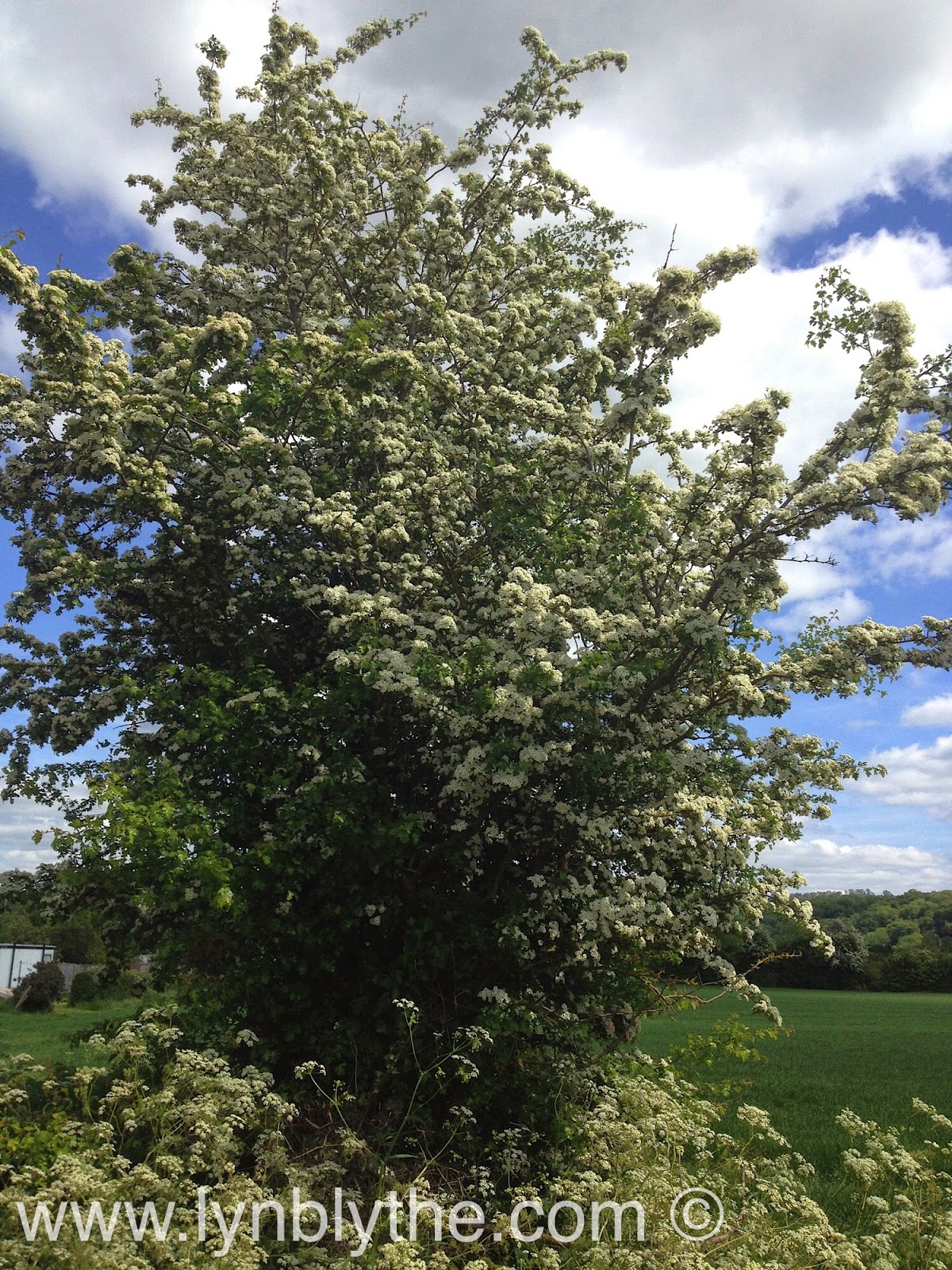
Hawthorn, a member of the rose family, has been used safely for heart and circulatory problems for many generations.The flowering tops (ie. flowers plus new leaves) are picked in the Spring, and the berries in the Autumn.
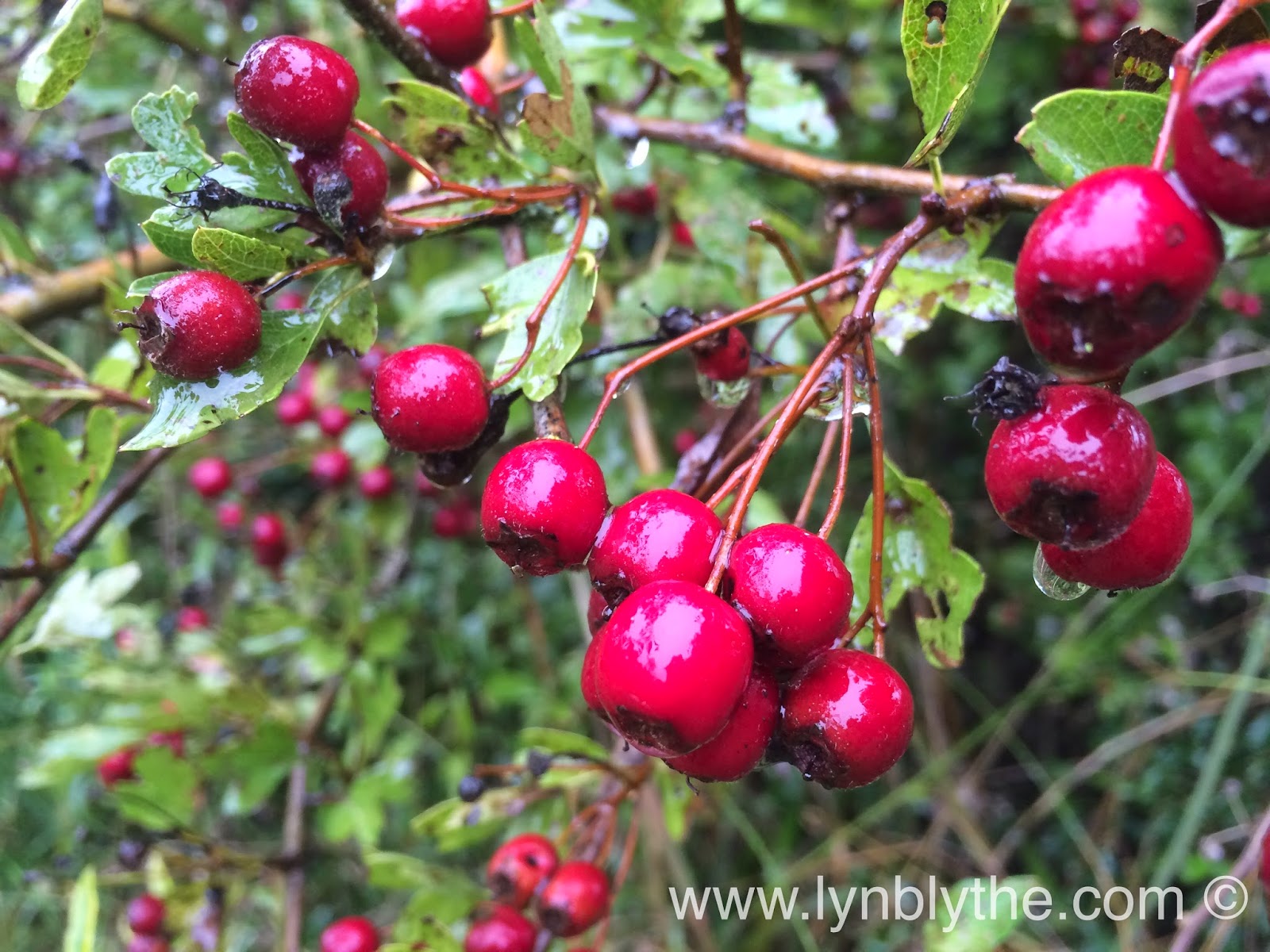
Hawthorn berries


Cramp bark (Viburnum opulus)
Cramp bark has been used for many years to relax "muscle tension", making it a useful herb for a variety of complaints. Such "antispasmodic" herbs are commonly included in prescriptions for people with hypertension.

Cramp bark


Lime (linden) flower (Tilia spp)
Lime flower is another herb commonly included in hypertension prescriptions. It also has an antispasmodic effect. In addition it is believed to make a useful contribution towards helping atherosclerosis (hardening of the arteries), when used in conjunction with other herbs and some dietary modifications. It is pleasant as a tea. Indeed the tea has a long-standing reputation as a calming drink to aid sleep.

Lime flower


Olive leaf (Olea europaea)
Most people are now familiar with the benefits of good quality olive oil to health, including its positive effects on the cardiovascular system. However, the leaves have also been used as a medicine throughout history. Again, antispasmodic, but they are also thought to have numerous other beneficial effects, such as helping normalise fluctuating blood sugar levels (NB. Not to be used as an alternative to insulin treatment in diabetics though!).

Olive leaf


There are many other herbs which may be selected and included, depending on the individual concerned. Others include herbs such as bilberry, motherwort, yarrow, periwinkle. Frequently, herbs to protect the kidneys will be included, as ongoing hypertension can be damaging to these vital organs.


References and further reading
Edwards, J.E., Brown, P.N., Talent, N., Dickinson, T.A., Shipley, P.R. (2012). A review of the chemistry of the genus Crataegus. Phytochemistry 79 5-26

Kaeidi, A., Mahani-Esmaeili, S., Sheibani, V., Abbasnejad, M., Rasoulian, B., Hajializadeh, Z., Afrazi, S. (2011). Olive (Olea europaea L.) leaf extract attentuates early diabetic neuropathic pain through prevention of high glucose-induced apoptosis: In vitro and in vivo studies. Journal of Ethnopharmacology 136 188-196

Kwok, C.Y., Wong, C.N.Y., Yau, M.Y.C., Yu, P.H.F., Au, A.L.S., Poon, C.C.W., Seto, W.S., Lam, T.Y., Kwan, Y.W., Chan, S.W. (2010). Consumption of dried fruit of Crataegus pinnatifida (hawthorn) suppresses high-cholesterol diet-induced hypercholesterolaemia in rats. Journal of Functional Foods 2 179-186

NHS Choices
http://www.nhs.uk/Conditions/Blood-pressure-%28high%29/Pages/Introduction.aspx

Patient.co.uk
http://www.patient.co.uk/doctor/hypertension

Patient.co.uk
http://www.patient.co.uk/health/high-blood-pressure-hypertension

Rothwell, P.M., Howard, S.C., Dolan, E., O'Brien, E., Dobson, J.E., Dahlof, B., Sever, P.S., Poulter, N.R. (2010). Prognostic significance of visit-to-visit variability, maximum systolic blood pressure, and episodic hypertension. Lancet  375: 895-905

Simon, C., Everitt, H. & Dorp, F. (2010). Oxford Handbook of General Practice, 3rd Ed. Oxford: Oxford University Press. P252-257

Susalit, E., Agus, N., Effendi, I., Tjandrawinata, R.R., Nofiarny, D., Perrinjaquet-Moccetti, T., Verbruggen, M. (2011). Olive (Olea europaea) leaf extract effective in patients with stage-1 hypertension: comparison with Captopril. Phytomedicine 18 251-258

Monday, 27 October 2014

"Flu jab" .... to vaccinate or not?

The British Medical Journal (BMJ), one of the world's leading general medical journals, recently published an article which questioned the promotion and increased use of influenza vaccines today.

The BMJ article cites and questions a study published in the New England Journal of Medicine which had reported a 48% reduction in risk of death following the vaccine - this was criticised for being an apparently impossible statistic when "influenza is estimated to only cause around 5% of all wintertime deaths". Furthermore, the controversy continues over whether the vaccine significantly reduces the chances of someone contracting the illness at all, or reduces their chances of developing complications from influenza (Nichol, 2007; Simonsen, 2005; Simonsen, 2007; Doshi, 2013).

So, should you decide against the "flu jab", are there alternatives?

Food!
Trying to stay healthy whilst eating a poor diet is like trying to run your car on water!

However, this also necessitates good digestion, as we can only use what we can digest and absorb. Indeed, it is impossible to overstate the importance of resolving any digestion issues. So, counterintuitively perhaps, for any one with digestive symptoms, the first step in preventing a respiratory (or any other) infection, would be to address the cause of the digestion problems.   

Herbs
Herbs and herbal medicines may be thought of as an extension of diet, since they are plant-based. A major advantage of this is that they are readily bioavailable as they are recognised by the body as foods, unlike most vitamin and mineral supplements.


There is much available information documenting the difficulty in accurately predicting which strain(s) of the 'flu virus will be prevalent the following season in order to design a vaccine to match (and controversy over whether/how effective the vaccine is, even when matched). However, another advantage of using herbs (and diet) to combat potential infections, such as influenza viruses, is that herbs are made up of vast numbers of antimicrobial constituents, including antiviral and immune supporting, as well as constituents which aid the digestion and absorption of these active constituents. Added benefits are that these protect against all pathogens (viruses, bacteria, and others) in the environment - not just one strain of 'flu virus! Furthermore, the pathogens are, as yet, unable to develop resistance to these natural substances due to the vast numbers of constituents working together to produce the effect.

Which herbs?
There are too many antiviral and immune supporting herbs to list!
However, not all herbs are safe for all people.

It is generally accepted amongst herbalists that a combination of a smaller dose of a few herbs, specifically selected for an individual, with their medical history in mind (for example, existing respiratory or immune conditions), has a greater effect that a larger dose of one. In addition, this allows herbs to be added which will enhance the absorption of the others. Different herbs will also be selected for prevention as opposed to if someone is already fighting infection. Another important consideration is when, and for whom, a tincture (medicine), syrup, capsules, tea, etc, will be more effective.


Echinacea spp


Whilst echinacea is probably the herb that springs
to most people's minds, it is far from the only tool
in the herbalist's antiviral armoury!


Others with supporting research (and generations of traditional use) include elderberry, liquorice, ginger, Chinese skullcap, garlic, andrographis, rhodiola, boneset..... and many more, either as main antiviral "players", or as important adjuvants!


Pressing elderberry tincture (medicine) - a very messy task!


If you want to read more:

Doshi, P. (2013). Influenza: marketing vaccine by marketing disease. BMJ 346: 3037

Nichol, K.L., Nordin, J.D., Nelson, D.B., Mullooly, J.P., Hak, E. (2007). Effectiveness of influenza vaccine in the community-dwelling elderly. New England Journal of Medicine 357: 1373-1381

Simonsen, L., Reichert, T.A., Viboud, C., Blackwelder, W.C., Taylor, R.J., Miller, M.A. (2005). Influence of influenza vaccine on seasonal mortality in the US elderly population. Archives Internal medicine 165: 265-272

Simonsen, L.,Viboud, C., Taylor, R.J. (2007). Effectiveness of influenza vaccine. New England Journal of Medicine 357: 2729-2731

Sunday, 5 October 2014

Hawthorn, a herb for heart health

The value of hawthorn (Crataegus spp) to a herbalist cannot be overstated! Luckily, it is a frequent find in the UK hedgerows.

Hawthorn berries (Crataegus spp)


Hawthorn (Crataegus spp)


Flowering tops are picked in the Spring, and the ripe berries collected in the Autumn. These are used to make tinctures (medicines), or dried for teas (infusions) and capsules.

Whilst most herbs tend to have numerous widespread actions, hawthorn is almost exclusively a herb used for the heart and circulatory system by modern day herbalists, and hawthorn is regarded as one of the safest herbs in our dispensary.


The actions of hawthorn have been used to help people with conditions such as angina, mild to moderate heart failure, either high or low blood pressure (depending on which other herbs are combined with the hawthorn in the prescription), Raynaud's Syndrome, atherosclerosis, some menopausal symptoms, chilblains, varicose veins and many other cardiovascular complaints. The precise effect of a prescription will, of course, depend upon which other herbs the hawthorn is combined with. 

A vast array of studies support such clinical uses of hawthorn. For example, the European Journal of Heart Failure reported Crataegus to be beneficial in treatment of heart disease due to induction of cAMP-independent positive inotropy, peripheral and coronary vasodilation, protection against arrhythmias, having antioxidant properties and anti-inflammatory effects (see below for more).   

Although a gentle herb, anyone with an existing health condition, or currently taking medication, should seek advice before using any herbs.


Hawthorn and lime blossom tea

Editorial (2008). Towards a systematic approach in the assessment of efficacy of an herbal preparation: Hawthorn (Crataegus spp.). European Journal of Heart Failure 10: 1153-1157

Krzeminshi, T., Chatterjee, S.S. (1993). Ischaemia and early reperfusion induced arrhythmias: beneficial effects of an extract of Crataegus oxyacantha. L Pharm Pharmacol Lett 3: 45-48


Sunday, 1 June 2014

Free Health Chats

For anyone in Wiltshire:

I will be offering free health chats and advice at Swindon Pulse Wholefoods (27 Curtis St) on Thursday 12th June, 2014. No booking required - just drop in between 10am - 12 noon (see also www.lynblythe.com)

Sunday, 24 March 2013

Hayfever (seasonal allergic rhinitis)

Now is the time to be thinking about hayfever - ie. before your symptoms kick in.

Symptoms occur following inhalation of airborne particles, such as grass pollen. Hayfever may be accompanied by asthma. Minimising exposure to known allergens may reduce symptoms. Sometimes, however, it is difficult to identify the allergen concerned, or it may be difficult to reduce exposure to it.

Can herbs help?

There are a great many reports of hayfever responding well to Herbal Medicine. However, each person is an individual, with their own unique medical history, so their hayfever must be addressed accordingly.

The Medical Herbalist's approach to hayfever: herb combining for the individual.

The first visit involves a discussion of the person's entire medical history, including their hayfever. This information allows a combination of herbs to be selected and tailored to the individual. The combination which works for one person, may not be appropriate for another.

For more details see http://www.lynblythe.com/why_visit_herbalist.php

There are many herbs which have been used traditionally for allergy such as hayfever. There is an increasing volume of scientific research focusing on uncovering some of the actions of these herbs.

The final prescription will include herbs with actions appropriate for the individual's hayfever symptoms, such as anticatarrhal, anti-inflammatory, expectorant, with simultaneous consideration of other health complaints, such as a tendency to cystitis or poor sleep. It is for this reason it is often stated that in addressing one complaint, other complaints are often helped too. This is also the reason why a combination of herbs is used - as one herb will not provide all required actions.

Nettle (Urtica dioca) is possibly the herb most commonly read about in hayfever self-help articles.

Nettle (Urtica dioica)

However, there are a great many more which are considered to be equally as useful. Golden rod (Solidago virgaurea) may be included in a hayfever prescription. This would be especially indicated for someone who also suffers from frequent urinary tract infections as it has a history of use for this complaint too (in conjunction with other urinary herbs). Eyebright (Euphrasia officinalis) is another example of a herb which has been used in hayfever, especially, although not exclusively, if the eyes are badly affected. In fact, its combination of astringent and anti-inflammatory constituents makes it a valuable addition to prescriptions for many conditions requiring mucous membrane repair, for example, sinusitis. Elderflowers (Sambucus nigra) also have a history of use by people with the catarrh accompanying hayfever. Unfortunately the sugary bottled cordial often found on supermarket shelves is not a substitute for the "real thing" found in the hedgerows!


Elderflowers (Sambucus nigra flos)


Depending on the specific symptoms and the medical history of the individual presenting, other more expectorant, and possibly antimicrobial, herbs may be added, in addition to herbs to support the immune system as part of a preventative strategy.

If symptoms are very severe, the herbalist may consider using a stronger remedy, such as Poke root (Phytolacca decandra) or Ephedra (Ephedra sinica). Research is uncovering which constituents in Ephedra might be responsible for it's reported bronchodilating and anticatarrhal effects.

For more details on Herbal Medicine, visit www.lynblythe.com


"Drugs tend to destroy tissue and do not cure; herbs strengthen tissue and do cure" (Mrs C.F. Leyel)!

An interesting quotation, taken from Mrs C.F. Leyel, founder the Society of Herbalists (now called the Herb Society) and Fellow of the Royal Institution of Great Britain.

Green Medicine by Mrs C.F. Leyel (1952)


Although this quotation was published in "Green Medicine", written in 1952, most modern day herbalists would agree that herbs provide a plentiful supply of bioavailable vitamins and minerals, so facilitating tissue repair.

Nettle (Urtica dioica) is an example of this, being rich in many vitamins and minerals, including iron. However, it is also rich in vitamin C, which improves the absorption of the iron. The stomach upsets which can accompany iron tablets are much less likely with the iron in plants.

Similarly, dandelion (Taraxacum officinale) has a history of use as a diuretic. Whereas pharmaceutical diuretics (water tablets) can deplete the body of essential potassium, dandelion leaves are rich in potassium, so this potential problem is unlikely.

Tuesday, 18 September 2012

Free health chats

For anyone in Wiltshire:

I will be offering free health chats and advice at Swindon Pulse Wholefoods (27 Curtis St) on Thursday 4th October, 2012. No booking required - just drop in between 10am - 12 noon (see also www.lynblythe.com)

Herbal remedy for digestive disorder (Daily Telegraph, 2012)

"Nikki Page finds her life is transformed when she discovers a cure for her chronic digestive disorder".

 http://www.telegraph.co.uk/health/wellbeing/7930256/Herbal-remedy-for-digestive-disorder.html

If you ever doubted good food can make a difference.....


Dr. Terry Wahls - Minding Your Mitochondria

This short video clip is a lecture by Dr Terry Wahls, a medical doctor with Multiple Sclerosis, who changed her diet and was subsequently able to get out of her wheelchair. It's well worth watching.
 
http://www.youtube.com/watch?v=KLjgBLwH3Wc&feature=youtube_gdata_player


A better route to migraine relief (Dr. A. Weil) - The Huffington Post (2010)

An article written by a Harvard educated botanist and medical doctor:

http://www.huffingtonpost.com/andrew-weil-md/a-better-route-to-migrain_b_526945.html

Turmeric (Curcuma longa) and Alzheimer's Disease

Turmeric (Curcuma longa) is familiar as a spice used in cooking, but over the last two decades research has been attempting to uncover turmeric's history of use by herbalists. It is frequently given to people with inflammation and ailments such as arthritis, circulatory disorders and skin conditions (eg. psoriasis), as well as to improve digestion.

Here's one of many such research findings (many other examples can be found in the references at the end of the article):

The effect of curcumin (turmeric) on Alzheimer's disease: An overview http://www.ncbi.nlm.nih.gov/pmc/articles/PMC2781139/


Turmeric (Curcuma longa)


Capsule making - these contain turmeric, ginger, celery seed, black pepper and frankincense resin:


Capsule making


Thursday, 13 September 2012

Arthritis and Boswellia

An extract of Boswellia (Boswellia serrata) has been reported to significantly reduce pain and improve function in patients with osteoarthritis of the knee.

It was concluded that the extract may have achieved this effect by reducing inflammatory modulators or by reducing degradation of cartilage in the joint.

Read more:  http://www.ncbi.nlm.nih.gov/pubmed/18667054

Herbalists prescribe Boswellia to people with many other conditions too, such as ulcerative colitis. Generally a prescription will consist of several herbs, tailored to each individual.


Boswellia serrata


Boswellia serrata resin


Thursday, 6 September 2012

More About Herbal Medicine


Herbal medicine is made from plants (for example, Echinacea and St. John’s Wort), and has been used for thousands of years. Medical Herbalists are trained to combine the benefits of this traditional use with information emerging from modern scientific research.
Medical Herbalists see people with most conditions treated by GPs
These conditions range from short-term or mild problems, to more long-term and complex.

Examples include:

• Heart and circulation problems– high blood pressure, high cholesterol, varicose veins, angina, poor memory
• Respiratory problems – asthma, hayfever, sinusitis, ear infections, bronchitis, coughs, colds
• Digestion problems – IBS, colitis, ulcers, constipation, reflux, bloating, food intolerance
• Nervous system problems – poor sleep, headaches, anxiety, depression, stress, multiple sclerosis, Parkinson’s disease
• Women’s health – PMS, period pains, cystitis, infertility, endometriosis, PCOS, menopausal symptoms, fibroids, irregular periods
• Men’s health – prostate problems, infertility
• Musculoskeletal problems – arthritis, gout
• Skin problems – eczema, psoriasis, acne
• Immune system problems –fatigue, allergies


Why use herbs

A benefit of herbs is that they are generally well-tolerated and safe, with a gentle action, yet can be amazingly effective.

Research is increasingly uncovering the way herbs achieve their effects.

The herbalist aims to identify and address the cause of symptoms, rather than suppress them, as symptoms are warning signs to indicate a health problem.

A prescription of herbs is tailored to each individual, so two people with the same condition are unlikely to be given the same combination of herbs. Often there are many herbs which may address the problem. The herbalist is trained to select the most appropriate for each individual, and to combine this with other herbs to support the effect.

The herbalist is often able to select herbs in a way which allows several health issues to be addressed at the same time.

Herbs are often easily accessible –including many of the “weeds” just outside your own home!

About Lyn

I am a member of the National Institute of Medical Herbalists (NIMH) and the College of Practitioners of Phytotherapy (CPP)

I have over 30 years experience of working in healthcare with patients, both in the NHS and in the private sector, spanning most areas of health and illness.

I regularly attend professional lectures, workshops and seminars to continue to build on my skills, and to keep up to date with research.

I have a First Class BSc (Hons) degree in Herbal Medicine. I was awarded the Arthur Barker prize for best Final Clinical Examination. I am a member of the National Institute of Medical Herbalists (NIMH).

I also have a First Class BSc (Hons) degree in Physiotherapy. I practise as a physiotherapist, am a member of the Chartered Society of Physiotherapists (CSP) and I am registered with the Health Professions Council (HPC).

I have a BSc (Hons) degree in Physiology with Biochemistry.

About Herbal Medicine

Medical Herbalists use plant medicines to address a wide range of illnesses, including long-term complaints. These herbal medicines can be used safely in all age groups, and are often used alongside medication from the GP.

There are times when orthodox medications or surgery are essential. However, at other times, there is often another way. By careful consideration of the cause of symptoms and illness, it is frequently possible to improve health. The use of herbs, many of which have been part of our diet for generations, offers a well-tolerated and safe alternative or addition to more modern treatment strategies.