Seach my blog

Showing posts with label limeflower. Show all posts

Saturday, 9 May 2015

High blood pressure (Hypertension)


What is hypertension?
Hypertension is a long-term elevation of the blood pressure (BP) in the arteries. Two readings are taken when the blood pressure is measured with a sphygmomanometer. The first when the heart is beating (the systolic pressure) and the second, lower, reading when the heart is relaxing between beats (diastolic pressure). A "textbook normal" resting BP reading would be 120/80 mmHg, although this varies with such factors as level of activity, anxiety, exercise, etc.

Dangers of hypertension
Ongoing raised BP significantly increases the risk of having a heart attack, developing heart disease and/or having a stroke. It can also lead to kidney damage, narrowing of other blood vessels, potentially leading to such problems as skin ulcers, impotence, amputation or aneurysm (where damaged blood vessels eventually tear). The list of possible health problems due to raised BP goes on and on as all blood vessels are affected.

Symptoms 
Usually none!

High BP tends to remain asymptomatic and is usually found during routine examination. Occasionally it may cause headache or vision problems. Eventually symptoms emerge as the blood vessels become damaged, for example, skin ulcers.

There is also a much rarer form of hypertension, malignant hypertension, where the BP is severely elevated, causing headache, kidney failure, fits and coma. This though is a medical emergency, not the usual ongoing, chronic, raised BP seen more commonly.

Causes of hypertension
Hypertension is divided into two types:

Essential hypertension - accounts for approximately 95% of cases, and merely means the cause is unknown!

Secondary hypertension - accounts for the other approximately 5% of cases, and means the raised BP is secondary to a known cause (see below):
  • Kidney disease
  • Endocrine disease (eg. hyperparathyroidism, Cushing's syndrome - including secondary to steroid treatment)
  • Pregnancy
  • Coarctation of the aorta (a narrowing of the aorta since birth)
  • Drugs (including medications), alcohol, toxins

Variations in BP
There are normal variations in everyone's BP. Not only does normal BP alter from minute to minute, but it also shows variation throughout every 24 hour period, with the lowest readings occurring during the night. However, in normal circumstances, these fluctuations occur within a relatively narrow range, and are carefully controlled.

More recently it has become recognised that larger, abnormal, variations in BP and also the maximum BP reached, are strong predictors of stroke and other vascular events, not just the average BP as previously thought.

Herbs
A vast number of herbs have a long tradition of use to address hypertension.

Herbalists rarely use herbs singly though. Instead, the herbs most suitable for each patient are selected and combined with additional herbs based on the rest of the medical history (including any medications) and the possible underlying causes of the circulatory problems, mindful of the fact that not all herbs are suitable for all people. This results in a prescription which is most appropriate and more effective for each individual. It is often the case that what not to include is as important as what to include in a prescription!

Hawthorn (Crataegus spp)
Hawthorn, a member of the rose family, has been used safely for heart and circulatory problems for many generations.The flowering tops (ie. flowers plus new leaves) are picked in the Spring, and the berries in the Autumn.
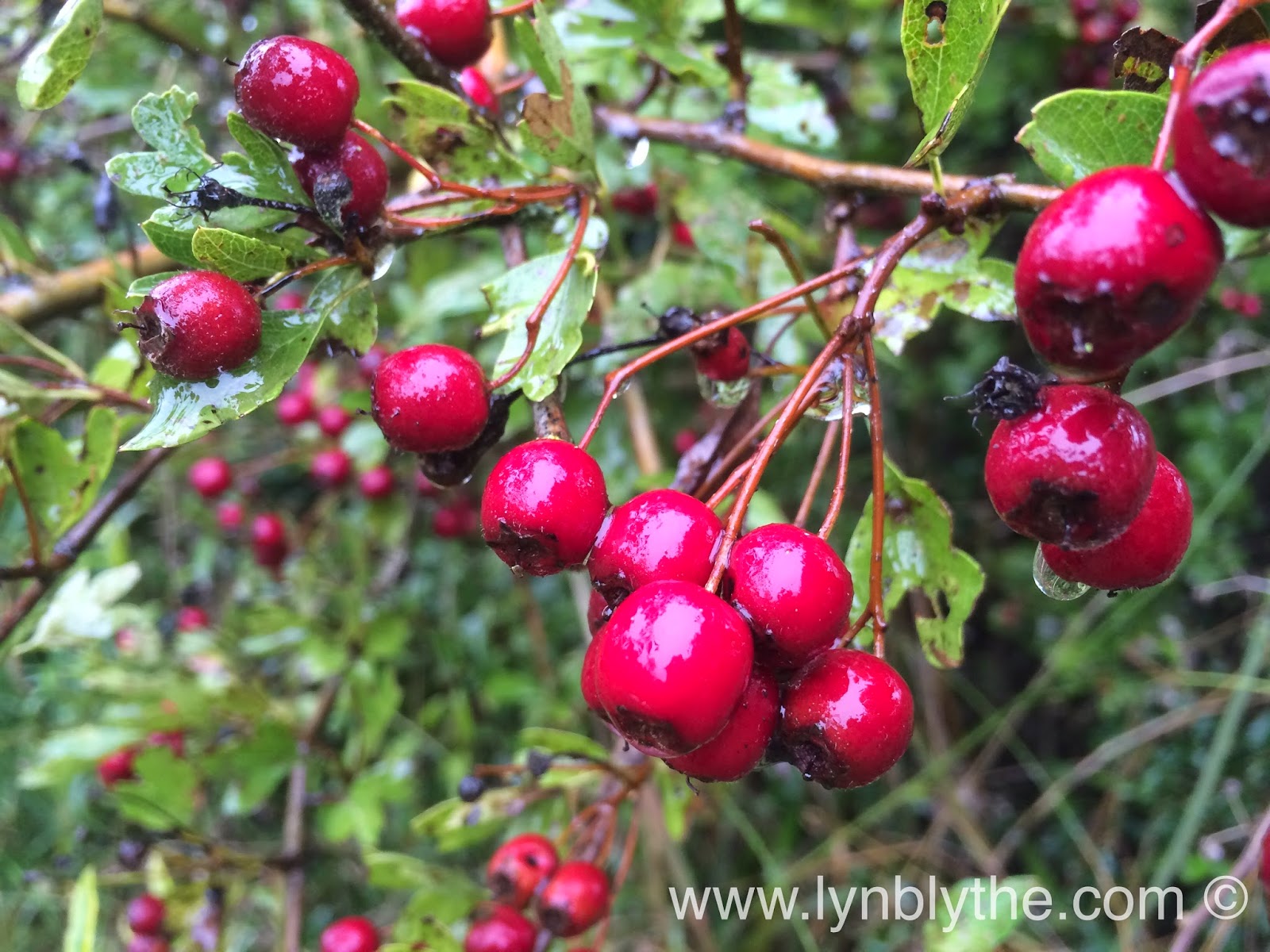
Hawthorn berries


Cramp bark (Viburnum opulus)
Cramp bark has been used for many years to relax "muscle tension", making it a useful herb for a variety of complaints. Such "antispasmodic" herbs are commonly included in prescriptions for people with hypertension.

Cramp bark


Lime (linden) flower (Tilia spp)
Lime flower is another herb commonly included in hypertension prescriptions. It also has an antispasmodic effect. In addition it is believed to make a useful contribution towards helping atherosclerosis (hardening of the arteries), when used in conjunction with other herbs and some dietary modifications. It is pleasant as a tea. Indeed the tea has a long-standing reputation as a calming drink to aid sleep.

Lime flower


Olive leaf (Olea europaea)
Most people are now familiar with the benefits of good quality olive oil to health, including its positive effects on the cardiovascular system. However, the leaves have also been used as a medicine throughout history. Again, antispasmodic, but they are also thought to have numerous other beneficial effects, such as helping normalise fluctuating blood sugar levels (NB. Not to be used as an alternative to insulin treatment in diabetics though!).

Olive leaf


There are many other herbs which may be selected and included, depending on the individual concerned. Others include herbs such as bilberry, motherwort, yarrow, periwinkle. Frequently, herbs to protect the kidneys will be included, as ongoing hypertension can be damaging to these vital organs.


References and further reading
Edwards, J.E., Brown, P.N., Talent, N., Dickinson, T.A., Shipley, P.R. (2012). A review of the chemistry of the genus Crataegus. Phytochemistry 79 5-26

Kaeidi, A., Mahani-Esmaeili, S., Sheibani, V., Abbasnejad, M., Rasoulian, B., Hajializadeh, Z., Afrazi, S. (2011). Olive (Olea europaea L.) leaf extract attentuates early diabetic neuropathic pain through prevention of high glucose-induced apoptosis: In vitro and in vivo studies. Journal of Ethnopharmacology 136 188-196

Kwok, C.Y., Wong, C.N.Y., Yau, M.Y.C., Yu, P.H.F., Au, A.L.S., Poon, C.C.W., Seto, W.S., Lam, T.Y., Kwan, Y.W., Chan, S.W. (2010). Consumption of dried fruit of Crataegus pinnatifida (hawthorn) suppresses high-cholesterol diet-induced hypercholesterolaemia in rats. Journal of Functional Foods 2 179-186

NHS Choices
http://www.nhs.uk/Conditions/Blood-pressure-%28high%29/Pages/Introduction.aspx

Patient.co.uk
http://www.patient.co.uk/doctor/hypertension

Patient.co.uk
http://www.patient.co.uk/health/high-blood-pressure-hypertension

Rothwell, P.M., Howard, S.C., Dolan, E., O'Brien, E., Dobson, J.E., Dahlof, B., Sever, P.S., Poulter, N.R. (2010). Prognostic significance of visit-to-visit variability, maximum systolic blood pressure, and episodic hypertension. Lancet  375: 895-905

Simon, C., Everitt, H. & Dorp, F. (2010). Oxford Handbook of General Practice, 3rd Ed. Oxford: Oxford University Press. P252-257

Susalit, E., Agus, N., Effendi, I., Tjandrawinata, R.R., Nofiarny, D., Perrinjaquet-Moccetti, T., Verbruggen, M. (2011). Olive (Olea europaea) leaf extract effective in patients with stage-1 hypertension: comparison with Captopril. Phytomedicine 18 251-258

Tuesday, 6 January 2015

Having difficulty sleeping?

Insomnia, or difficulty sleeping, is a very common complaint, and one with far reaching consequences, as good quality sleep is necessary for the body to maintain normal physical and mental function.

Simply put, we need good quality sleep to maintain (or restore) good health.

Someone may have difficulty falling asleep (sleep-onset insomnia), or frequent or early awakening (sleep-maintenance insomnia).

Stages of sleep

Normal sleep involves alternating between two types of sleep:

(i) Slow-wave sleep - most sleep is of this type.
This type of sleep is sub-divided into stages 1-4, where stage 1 is the lightest stage of sleep, and stage 4 the deepest. Typically a person will move from stage 1 to 4 in less than one hour.

This is the deep, restful sleep. There is decreased blood pressure, respiratory rate and metabolic rate.
Although this phase of sleep is sometimes referred to as "dreamless sleep", dreams do sometimes occur, but are usually not remembered.

(ii) Rapid Eye Movement (REM) sleep - occurs in episodes throughout the sleep period.
REM episodes occur approximately every 90 minutes, each lasting between 5 and 30 minutes. When a person is very tired, the duration of REM episodes is short. As the person becomes more rested as their sleep progresses, the duration of their REM episodes becomes longer.

This stage of sleep is not so restful, and is associated with vivid dreams. The brain is highly active, and brain metabolism increases by as much as 20%. In fact, electroencephalograms (EEGs) show a pattern of brain waves similar to those seen during wakefulness. The heart rate and respiratory rate are often irregular.

Functions of sleep

Whilst it is accepted that sleep is very important to maintain health, the precise reasons remain unclear, and research into this continues. For example, since 50% of an infant's total sleep is of the REM type, compared to 25% REM sleep in an adult, it is proposed that REM sleep in infants is important for maturation of the brain.

As brain blood flow and oxygen use is higher during REM sleep, it is postulated that this type of sleep is necessary for body tissue repair. It certainly appears to be the case that as health recovers from some long-term illnesses, sleep quality and dreaming is restored and is seen as an indicator of health improvement.

The majority of Growth Hormone (GH) secretion occurs during sleep. It is thought that many of the functions of sleep are mediated via the release of this hormone. GH is sometimes called the "antiaging" hormone as studies suggest it stimulates tissue regeneration, muscle building, normalisation of blood glucose levels, to name but a few of its actions.

Various studies have linked insomnia to an increased risk of raised blood pressure, cardiovascular disease, anxiety and depression, in addition to impaired thinking and quality of life.

Tryptophan and brain serotonin

The amino acid, tryptophan (found in most proteins) is a precursor of the neurotransmitter, serotonin. This is important because serotonin is involved in mood (and many other widespread functions). Thus, low serotonin is thought to contribute to insomnia, as well as to anxiety and depression.

This would perhaps explain how poor diet and/or poor digestion (ie. low levels of available tryptophan) can lead to insomnia. (It should be noted though that supplementation with tryptophan is unlikely to remedy this situation as it cannot cross the various barriers into the brain. Clearly, the long-term solution is to address diet and digestion issues instead).

Causes and Treatments

Many insomniacs resort to over-the-counter preparations to address their lack of sleep, whilst others seek stronger medications from the GP, often with various unwanted side-effects. However, a thorough history taking will often reveal likely cause(s) of the problem, thus leading to a long-term solution, and eliminating the need for medications. 

Possible causes of insomnia are many and varied, and include existing health complaints such as Chronic Fatigue Syndrome, poor control of blood glucose levels, pain, restless leg syndrome, poor digestion (including food intolerances), low mood and side effects of medications.

As always, the importance of determining the cause of the insomnia in the individual cannot be overstated.

Herbs

Fortunately, over the generations, many herbs have been recorded as useful for helping sleep. Studies are now being performed which are attempting to elucidate their mechanisms.

Herbalists rarely use herbs singly though. Usually these herbs are combined with others in order to address the perceived underlying cause(s) of the problem in each individual person.

Chamomile (Matricaria recutita)

Chamomile


Chamomile tea has a long-standing reputation as a drink to promote sleep. Herbalists frequently use chamomile tincture, usually in conjunction with other herbs.

Marcello Spinella, an Assistant Professor of Psychology, has written that the calming, sedative effect of chamomile is a consequence of the constituent apigenin binding to benzodiazepine receptors. It is probable that many other constituents are also needed to achieve this effect though.

However, chamomile has far more wide-ranging uses than this. It has been described as the "Mother of the gut", hinting at its use for helping gut inflammation, nausea, bloating, spasms and generally aiding digestion. It has also been used by those with hayfever, sinusitis and catarrh, in addition to headaches, especially those caused by poor digestion or stress.

Cooled chamomile tea can be used to soothe hot/itchy skin conditions such as heat rash or urticaria (hives).

Passionflower (Passiflora incarnata)

Passionflower


Passionflower is another herb commonly used by those struggling to get a good night's sleep. Whilst various species have been used, Passiflora incarnata is the main one used in Europe. Again, as with chamomile, there is a long history of traditional use of this herb for sleep and for other nervous system complaints.

Modern research continues to investigate the mechanism of action of various constituents. It is thought that the various flavonoids are likely to be important.

Valerian (Valeriana officinalis)

Valerian


Valerian has been used to ease anxiety and aid sleep since Roman and Greek times. Dioscorides described it as having a mild sedative effect. It is said that a minority of people find it "stimulating" though - so it may not be the herb of choice for everyone!

Valerian has attracted a great deal of scientific interest, with numerous studies supporting this traditional use, although often the valerian was used in conjunction with other herbs too. The debate concerning the exact mechanisms continues. It is thought that GABA receptors are likely to be involved as these are also targeted by benzodiazepines, barbiturates and anaesthetics. Studies are investigating the possible importance of adenosine, serotonin and/or melatonin receptors. It has been reported that some studies concluded valerian was as effective as benzodiazepine sedatives, but without addiction, so it's definitely worth considering whether it might be a suitable alternative.

Limeflower (Linden blossom) (Tilia spp)

Limeflower


Limeflower is another herb commonly used in night-time teas. Traditionally it has been used to calm the mind, and for stress and panic, as well as for "nervous palpitations".

Generations of herbalists have also added limeflower to prescriptions for headaches, especially stress-induced, high blood pressure, catarrh, sinusitis and for colds and 'flu'. Limeflowers can be used to make a lotion to soothe itchy skin as they contain mucilage.   

Wild lettuce (Lactuca virosa)

Wild lettuce


Wild lettuce is a less well known herb, and hardly the showiest (!), but still often used by herbalists. It is gathered when it is in flower in late Summer, and the leaves and white latex used. Dioscorides (1st century AD) wrote that the effect of the wild lettuce resembled that of opium poppy - so, again, hardly a new sleep remedy!

Wild lettuce can also be made into a cough remedy, frequently in combination with liquorice. Herbalists also use it combined with other herbs, as appropriate, to address pain.


The list of herbs to help insomnia could easily go on and on and on....! The herb(s) most suitable though will depend on the individual and on the underlying cause of the insomnia. Additionally, not all herbs are suitable for all people. If in doubt, seek advice.


Useful references and further reading

Chevallier, A. (1996). The Encyclopaedia of Medicinal Plants. London: BCA.

Chien, K., Chen, P., Hsu, H., Su, T., Sung, F., Chen, M. (2010). Habitual sleep duration and insomnia and the risk of cardiovascular events and all-cause death: report from a community-based-cohort. Sleep 33: 177-184

Guyton, A.C. & Hall, J.E. (2011). Textbook of Medical Physiology, 12th Ed. Philadelphia: Saunders. P721-725

Johnson, E.O., Roth, T., Breslau, N. (2006). The association of insomnia with anxiety disorders and depression: exploration of the direction of risk. J Psychiatr Res 40: 700-708

Jones, D.S. (2010). Textbook of Functional Medicine. Gig Harbor: The Institute for Functional Medicine. P641-643

Neckelmann, D., Mykletun, A., Dahl, A. (2007). Chronic insomnia as a risk factor for developing anxiety and depression. Sleep 30: 873-880

Pizzorno, J.E. & Murray, M.T. (2006). Textbook of Natural Medicine, 3rd Ed. Missouri: Churchill Livingstone. P1829-1835

Roane, B., Taylor, D. (2008). Adolescent insomnia as a risk factor for early adult depression and substance abuse. Sleep 31: 1351-1356

Spinella, M. (2001). The Psychopharmacology of Herbal Medicine, plant drugs that alter mind, brain and behaviour. Massachusetts: The MIT Press. P226-229

Tortora, G.J. & Derrickson, B. (2006). Principles of Anatomy and Physiology, 11th Ed. Hoboken: Wiley. P565-567

Vgontzas, A., Liao, D., Bixler, E., Chrousos, G., Vela-Bueno, A. (2009). Insomnia with objective short sleep duration is associated with a high risk for hypertension. Sleep 32: 491-494